June 2026 marked a definitive transition from the era of "AI Chatbots" to the era of "Agentic Infrastructure." The focus across the industry shifted from the raw capabilities of frontier models to the orchestration, governance, and secure deployment of autonomous agents within professional and enterprise environments.
From Prompts to Orchestration Logic
The most significant trend this month was the formalization of agent orchestration. Anthropic led this charge with the introduction of dynamic multi-agent harnesses and the Claude Cowork framework, moving away from linear turn-based interactions toward goal-oriented agent loops. This shift is mirrored in IBM Research's assertion that "agent logic" is the primary requirement for scalable enterprise AI. The industry is no longer just asking what a model can do, but how a system of agents can be steered reliably—as seen in Anthropic's detailed framework for Steering Claude Code via skills and subagents.
Enterprise Hardening and the MCP Ecosystem
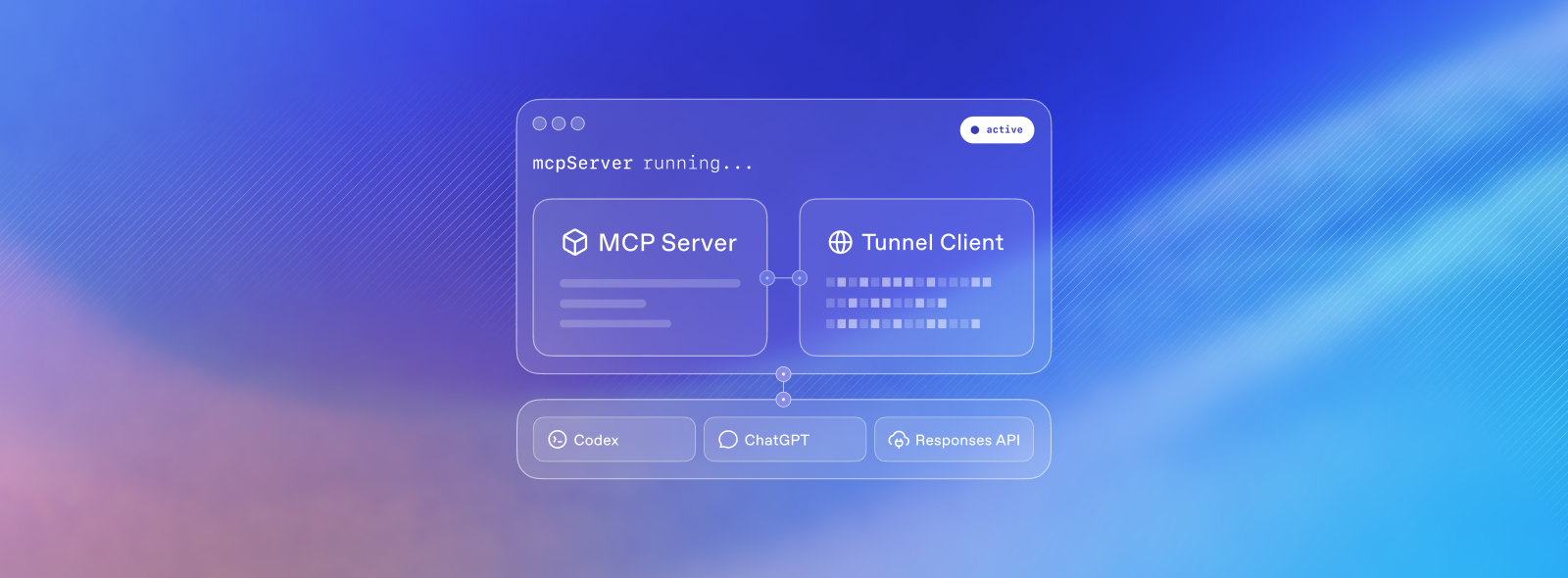
As agents moved from prototypes to production, the bottlenecks shifted to identity and connectivity. The Model Context Protocol (MCP) became a central pillar of this transition, with the introduction of Enterprise-Managed Authorization and zero-touch OAuth. This enables organizations to connect agents to private data securely without manual per-app authentication. OpenAI furthered this with guidance on private MCP servers, ensuring network boundaries remain intact while enabling streaming and authentication for internal tools. This "hardening" phase is critical for the adoption of agentic tools like Claude Tag and OpenAI's Daybreak suite, which move AI from simple assistance to actively securing global software infrastructure.
Specialized Intelligence and Physical Agency
We continue to see a divergence between general-purpose frontier models and highly specialized tools. While GPT-5.6 Sol pushes the boundaries of high-complexity reasoning in science and cybersecurity, there is a parallel surge in efficient, local intelligence. Google's Gemma 4 12B and associated QAT checkpoints bring multimodal capabilities to the edge, while others have demonstrated multi-agent economies running on models as small as 3B. Simultaneously, the boundary between digital and physical AI is blurring, exemplified by NVIDIA's Cosmos 3 and the integration of MCP tools into robotic hardware like Reachy Mini, extending agentic reasoning into real-world action.
Key Developments:








.jpg)