Q1 2026 marked the quarter agentic AI stopped being a vision and became an engineering discipline. Across 94 stories from January through March, three themes dominated: the industrialisation of long-running agents, a context window arms race that effectively ended, and the rise of developer tooling as the primary battleground for AI incumbents.
The Agent Infrastructure Build-Out
January and February set the tone. OpenAI shipped Codex for long-horizon tasks and followed it with a Codex + Figma integration for frontend UI generation — the first credible signal that AI-generated UI was a real workflow, not a demo. Cursor published "The Third Era of AI Software Development," framing the IDE as the new agent runtime. By February, Anthropic was shipping Cowork + plugins for enterprise and finance teams, moving Claude from a chatbot to an integrated workflow layer.
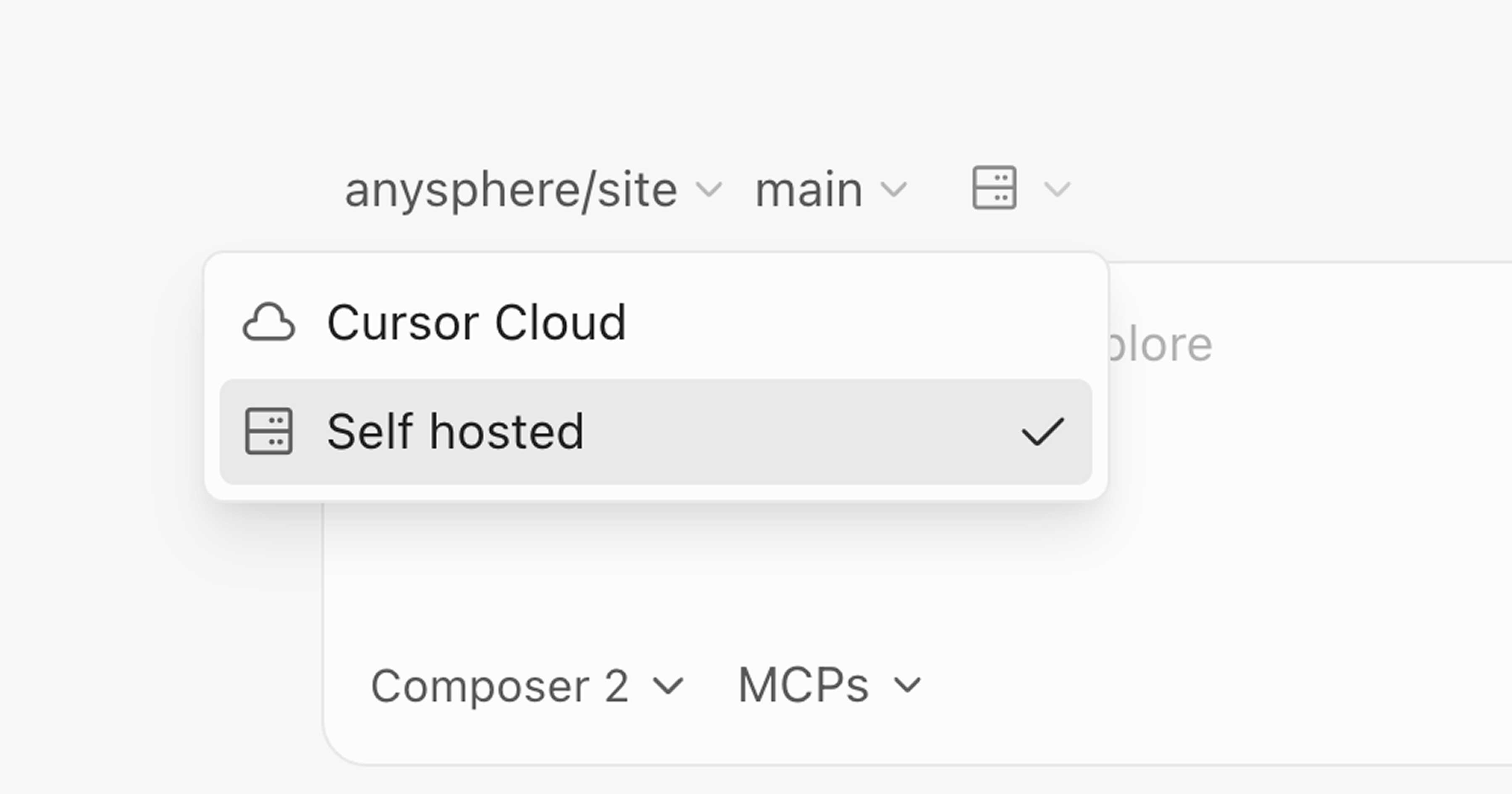
March accelerated everything. LangChain's Agent Evaluation Readiness Checklist codified production-grade agent testing. Cursor shipped Composer 2, real-time RL improvements, and cloud agent infrastructure. By end of quarter, LangChain engineers were writing post-mortems about self-healing production agents — detecting regressions automatically after every deploy. The stack had grown up.
Context Windows: Arms Race Over
The 1M token context window went from benchmark flex to generally available API feature in a single quarter. Anthropic made it GA for Claude Opus 4.6 and Sonnet 4.6 in March. Combined with OpenAI's GPT-5.4 work and Google's Gemini 3.1 Flash Live for real-time conversation, Q1 established that massive context is now infrastructure, not differentiation. The race moved on — to latency, reliability, and cost at scale.
Developer Tooling Became the Moat
The biggest strategic story of Q1 was how much energy the major labs poured into developer experience. Cursor dominated the IDE space with four meaningful releases. OpenAI deepened Codex integrations. Google shipped Firebase AI and Vertex AI agent patterns. Anthropic launched Claude Code auto mode with a permission model for unsupervised runs — and an Anthropic Engineering blog post on harness design for long-running apps. Every major player is competing for where developers build, because that's where the next generation of applications will be assembled.
Safety and Compliance Growing Up
Q1 also saw the compliance layer mature. OpenAI launched a Safety Bug Bounty program and published the Model Spec internals. Anthropic shipped a Compliance API with structured audit logs — the kind of thing regulated industries need before they can put agents on sensitive workflows. Enterprise AI is starting to look like enterprise software, complete with governance overhead.
MCP Gaining Ground
MCP coverage grew consistently through the quarter — from early integration tutorials in January to a steady stream of new server and app releases by March. The protocol crossed from "interesting spec" to "real ecosystem" during Q1. The developer audience is building on it.
By the numbers:
- 94 stories across 9 sources
- January: 10 stories — Codex launches, long-horizon task infrastructure
- February: 17 stories — Cowork/plugins, GGML joins HuggingFace, agentic workflow tooling
- March: 67 stories — Agent evals, context GA, compliance APIs, self-healing production systems