AI in Q2 2026: From Chatbots to Agentic Ecosystems
The second quarter of 2026 marked a definitive shift in the AI landscape. We moved beyond the era of the "intelligent chatbot" and entered the era of the Agentic Ecosystem. The narrative of the last three months has been defined by the transition from simple prompting to structured agentic logic, the rise of specialized developer tooling, and the aggressive push toward "on-device" and "edge" intelligence.
The Rise of the Agentic Harness
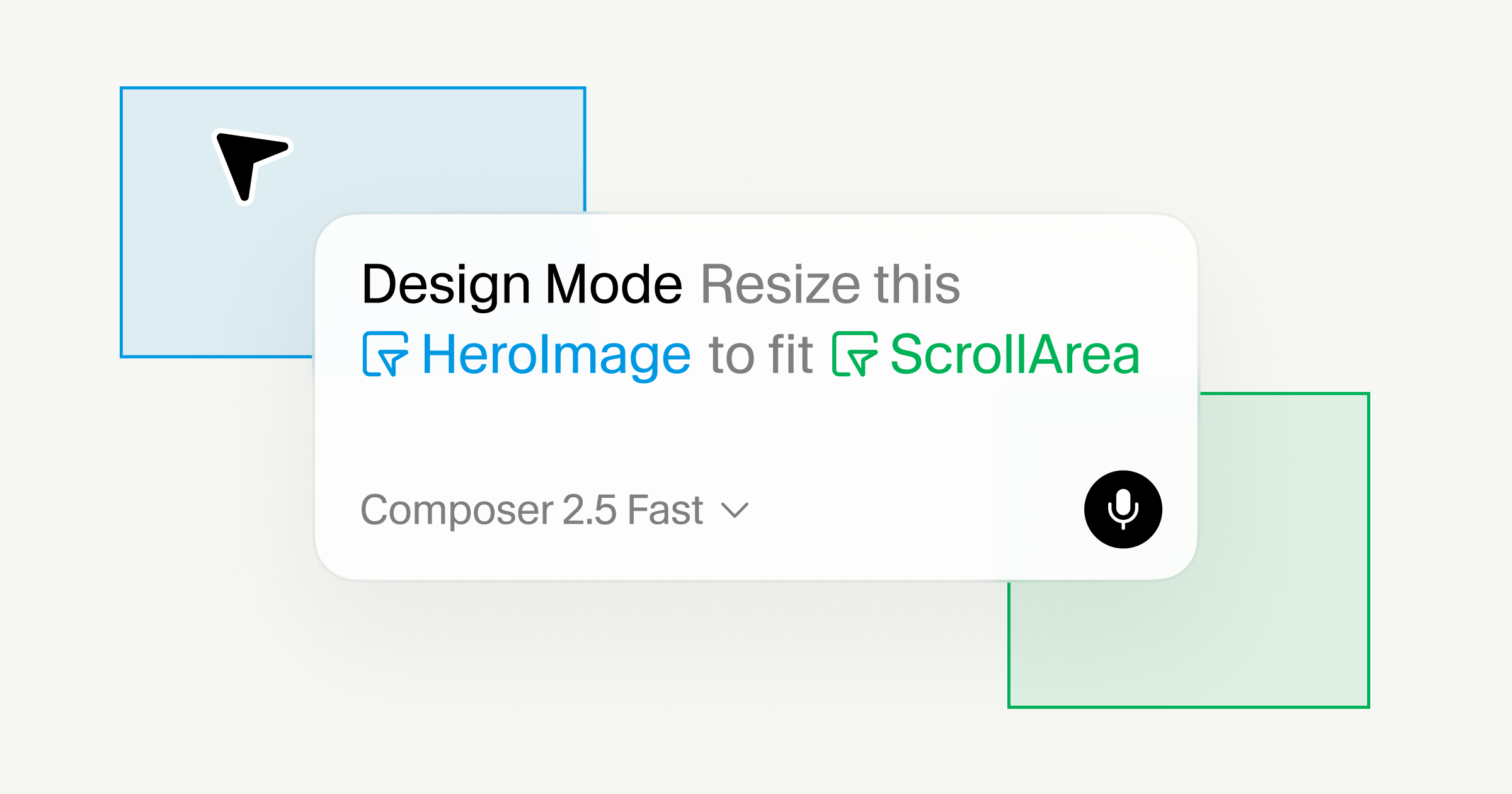
The most significant trend this quarter was the formalization of agent orchestration. Anthropic's rollout of Claude Code and Claude Managed Agents introduced the concept of "skills," "harnesses," and "subagents," moving AI from a single-turn conversation to a multi-step execution engine. This was mirrored by Cursor's Composer 2.5 and Auto-review systems, which implement guardrails and classifier agents to govern autonomy.
The industry is no longer just asking what a model can do, but how to wrap that model in a reliable operational harness. The emergence of the Model Context Protocol (MCP) specification RC provided the necessary plumbing for this, allowing agents to interact with a standardized set of tools and data sources, effectively decoupling the "brain" from the "hands."
The "Small Model" Revolution and Edge Intelligence
While frontier models like GPT-5.5 Instant continue to push the ceiling of reasoning, Q2 saw a massive surge in the efficiency of smaller, specialized models. Google's Gemma 4 family, particularly the 12B multimodal model and its Quantization-Aware Training (QAT) checkpoints, demonstrated that high-performance intelligence can now live comfortably on laptops and mobile devices.
This shift toward "local AI" isn't just about latency; it's about privacy and reliability. We saw this trend extend into robotics with NVIDIA's Cosmos 3 and Hugging Face's LeRobot, bridging the gap between digital reasoning and physical action. The mantra of the quarter became "specialization beats scale," as developers realized that a well-tuned 3B or 12B model often outperforms a general-purpose giant for specific developer workflows.
Enterprise Integration and the "Agentic Org"
We are seeing the first real blueprints for the AI-native engineering organization. Case studies from Anthropic and OpenAI (via Codex) show a transition where agentic coding is the default, not the exception. The integration of AI directly into the "plumbing" of enterprise work—from Salesforce and AWS to the Microsoft 365 suite—indicates that agents are moving from standalone tools to integrated coworkers.
However, this autonomy brings new risks. The quarter concluded with a heavy emphasis on Zero Trust for AI agents and secure sandboxing. As agents gain the ability to modify codebases and access cloud infrastructure, the focus has shifted toward limiting the "blast radius" through strict environment governance and workload identity federation.
Looking Ahead: The Path to Autonomous Research
As we enter Q3, the trajectory is clear: the next frontier is autonomous discovery. From OpenAI models disproving 80-year-old geometry conjectures to agents chaining Hugging Face Spaces to build 3D environments, the gap between "coding assistant" and "research partner" is closing. The focus for the coming months will likely be on improving the long-horizon reasoning and self-correction capabilities that turn a productive tool into a truly autonomous agent.