This week was defined by a strong push toward the "productionization" of agentic systems, with a heavy focus on the infrastructure, coordination, and evaluation layers required to move beyond simple prototypes.
Agent Infrastructure & Deployment
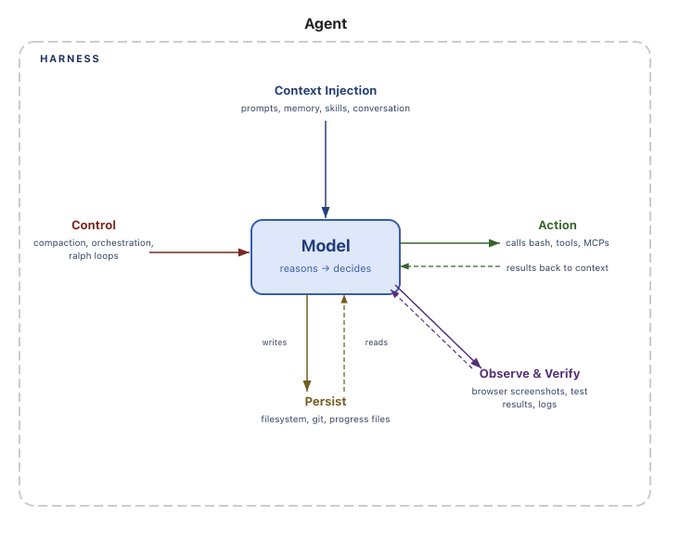
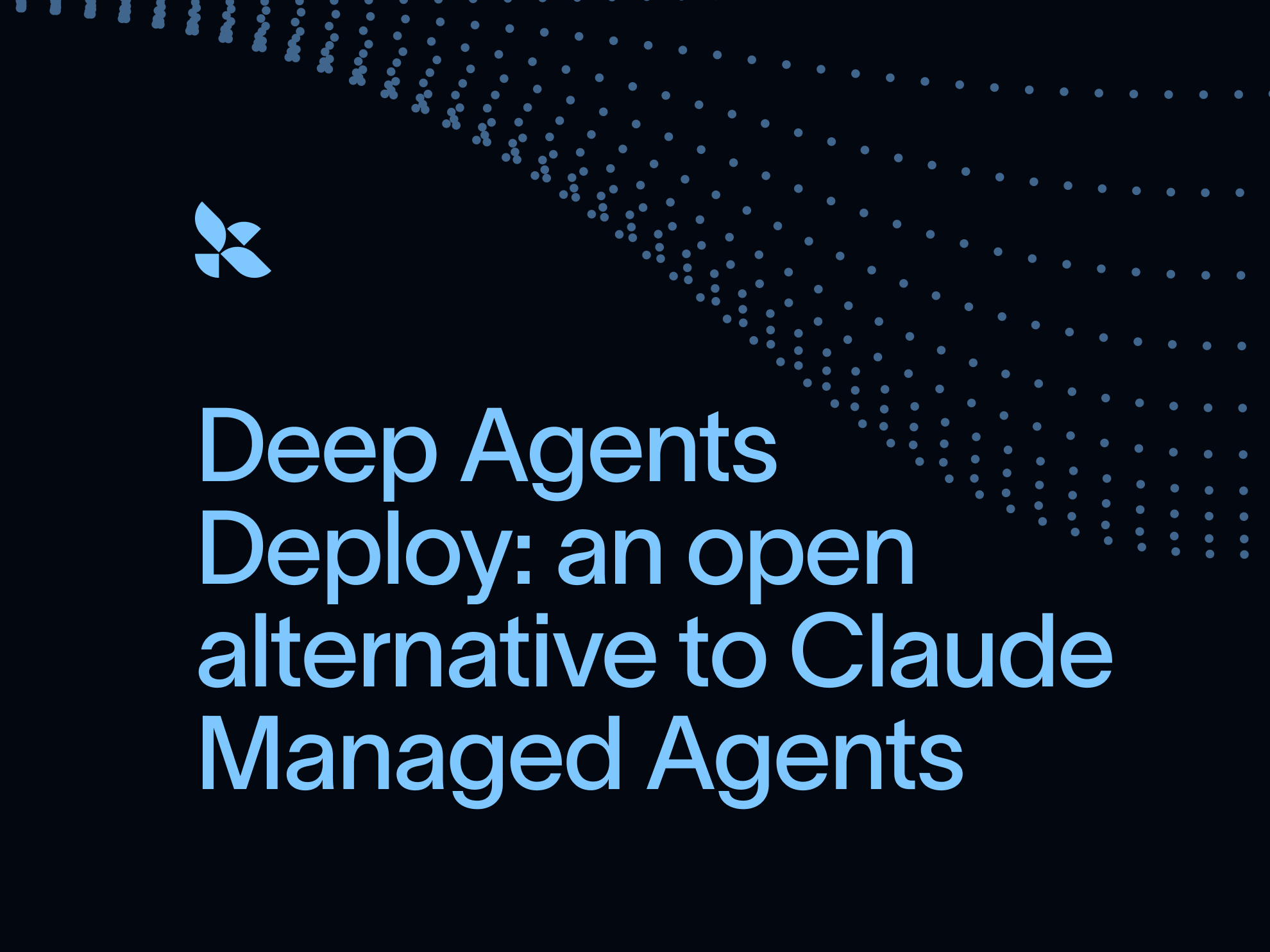
The industry is shifting from basic loops to robust harnesses. Anthropic introduced Claude Managed Agents and the Advisor Strategy (pairing a high-reasoning model like Opus with a fast executor), while LangChain countered with Deep Agents Deploy, a model-agnostic alternative. The conversation also turned toward memory; LangChain emphasized that the "harness" itself dictates how agents retain context, arguing for more transparent memory layers to avoid proprietary lock-in.
Coordination & Design Patterns
Agent architecture is maturing. Anthropic detailed five distinct multi-agent coordination patterns, providing a roadmap for evolving from simple chains to complex systems. Meanwhile, Claude Code’s design philosophy of "progressive disclosure" in tools highlights how aligning tool output with LLM perception maximizes effectiveness.
Tooling & Ecosystem Growth
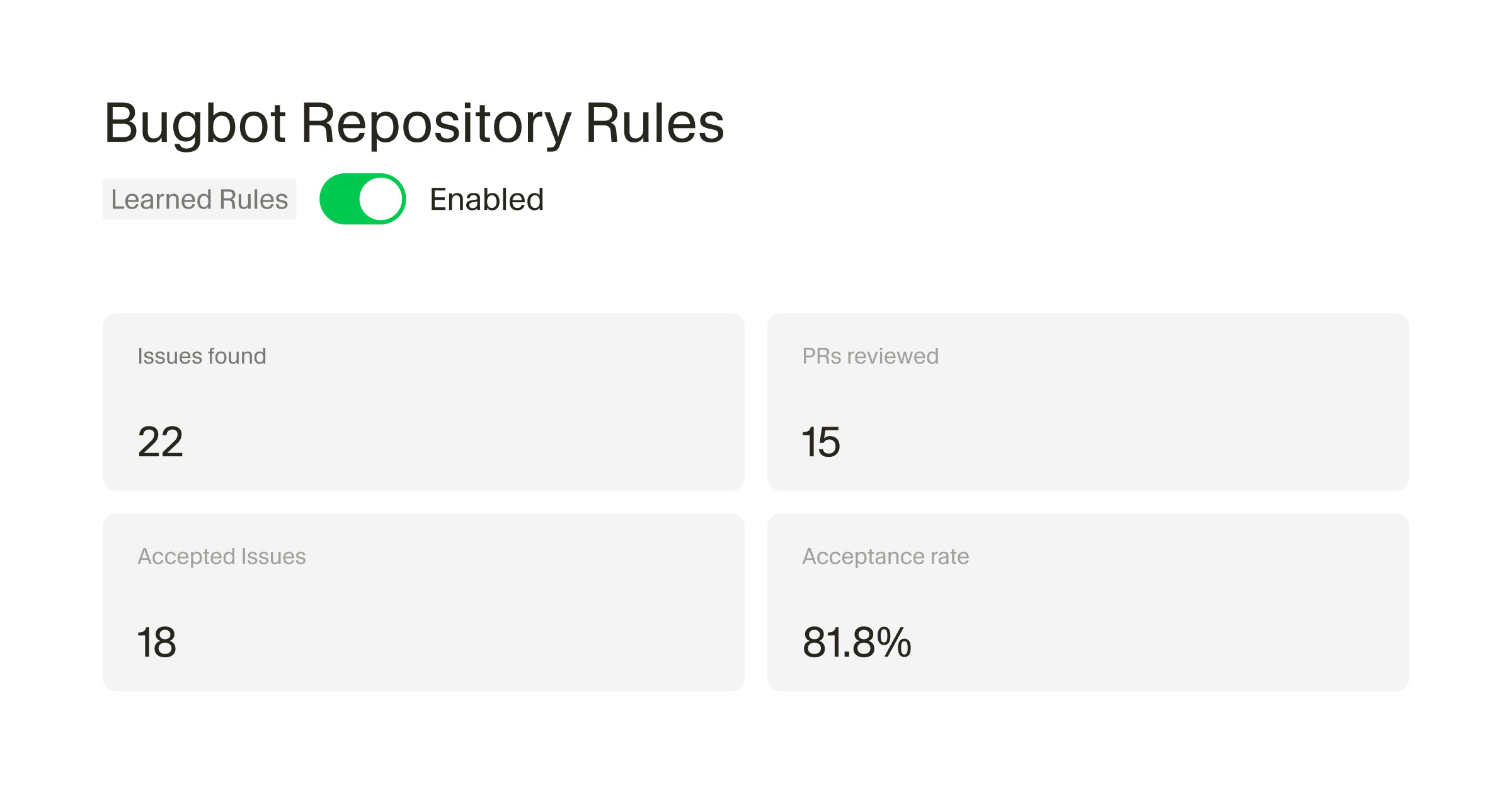
The Model Context Protocol (MCP) continues to scale, expanding its core maintainer team to speed up governance. On the tooling front, LangChain integrated 7,500+ Arcade.dev tools into LangSmith Fleet, while Cursor’s Bugbot now self-improves by learning from live PR feedback.
Open Models & Security
Hugging Face released Gemma, a new family of efficient open models, and Waypoint-1.5 for higher-fidelity embodied AI simulations. However, the week also served as a reminder of supply-chain risks, as OpenAI responded to a compromise involving the Axios developer tool, necessitating rapid certificate rotations.
Key stories this week: