The past week marked a decisive shift from "chatbots" to "integrated agentic infrastructure," characterized by massive moves in secure connectivity, custom silicon, and enterprise-grade identity management.
The Era of Agentic Infrastructure
The central theme was the operationalization of agents. OpenAI’s Daybreak suite and the Patch the Planet initiative signal a transition where AI is not just assisting but actively securing global software infrastructure. This is coupled with the preview of GPT-5.6 Sol, which targets high-complexity domains like cybersecurity and scientific research, further pushing the boundary of autonomous reasoning.
Secure Connectivity and Enterprise Scaling
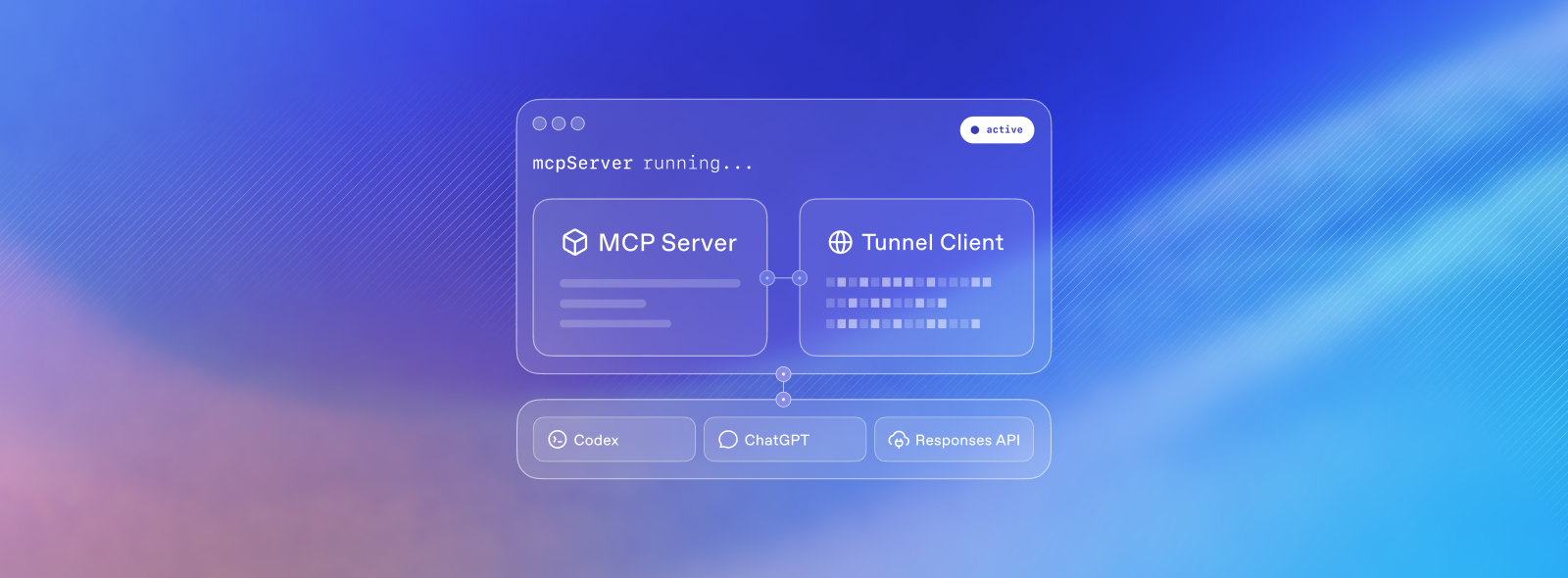
A critical bottleneck for agent adoption—connecting AI to private data—was addressed by OpenAI’s new guidance on private MCP servers, ensuring network boundaries are preserved. Meanwhile, Anthropic introduced Claude Tag to handle agent identity and permissions within teams, and expanded the Claude Desktop experience to AWS and Azure, moving agentic tools into the heart of the enterprise cloud.
The Developer Toolchain
The ecosystem continues to mature with new harnesses like IBM’s CUGA and Google’s Interactions API, streamlining how developers build and integrate agents. On the performance front, the unveiling of the Jalapeño inference chip by OpenAI and Broadcom highlights that the next leap in agency will require deep vertical integration of hardware and software.
Key Stories:
- Model Power: GPT-5.6 Sol — High-capability reasoning for science and security.
- Infrastructure: Daybreak — Automating global vulnerability patching.
- Connectivity: Private MCP Servers — Securely bridging private data to AI.
- Identity: Claude Tag — Managing autonomous agent permissions in teams.
- Hardware: Jalapeño Chip — Custom silicon for LLM inference efficiency.
- Developer Tools: Interactions API — Google’s unified interface for Gemini agents.




.jpg)