
Introducing
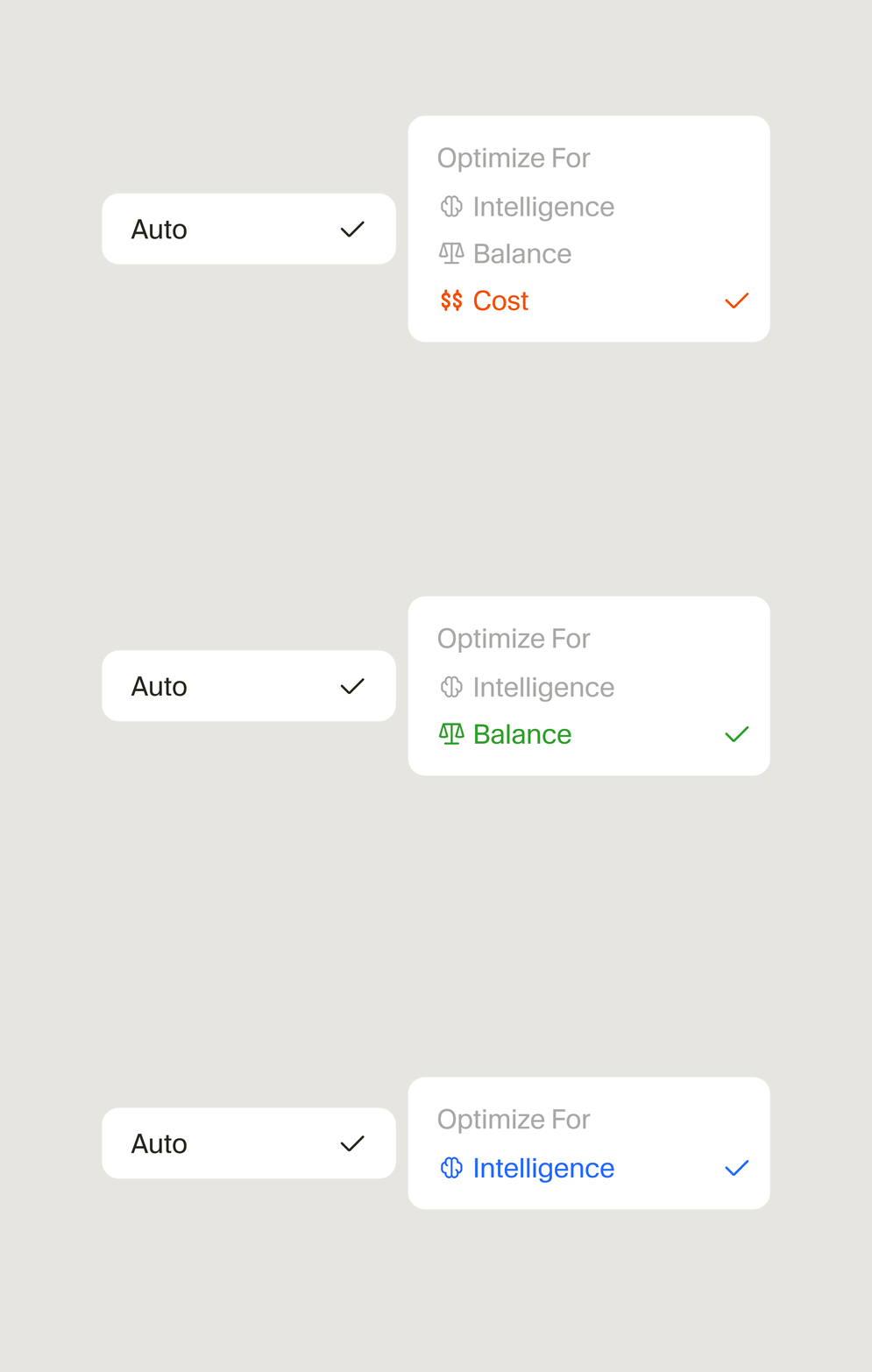
Cursor Router is now generally available for Teams and Enterprises, optimizing model routing for better performance and efficiency in AI-assisted coding workflows.
Le meilleur de l'écosystème IA et MCP, sélectionné chaque jour.
Sources

Cursor Router is now generally available for Teams and Enterprises, optimizing model routing for better performance and efficiency in AI-assisted coding workflows.

Cursor explores the economics of agent swarms, demonstrating that improved coordination can achieve high-quality results, such as building SQLite from scratch, at a significantly lower cost. Essential reading for those optimizing agentic workflows and model spend.

Cursor introduces Grok 4.5, their most intelligent model to date. It represents a pivot from pure software engineering focus to broader intelligence capabilities.

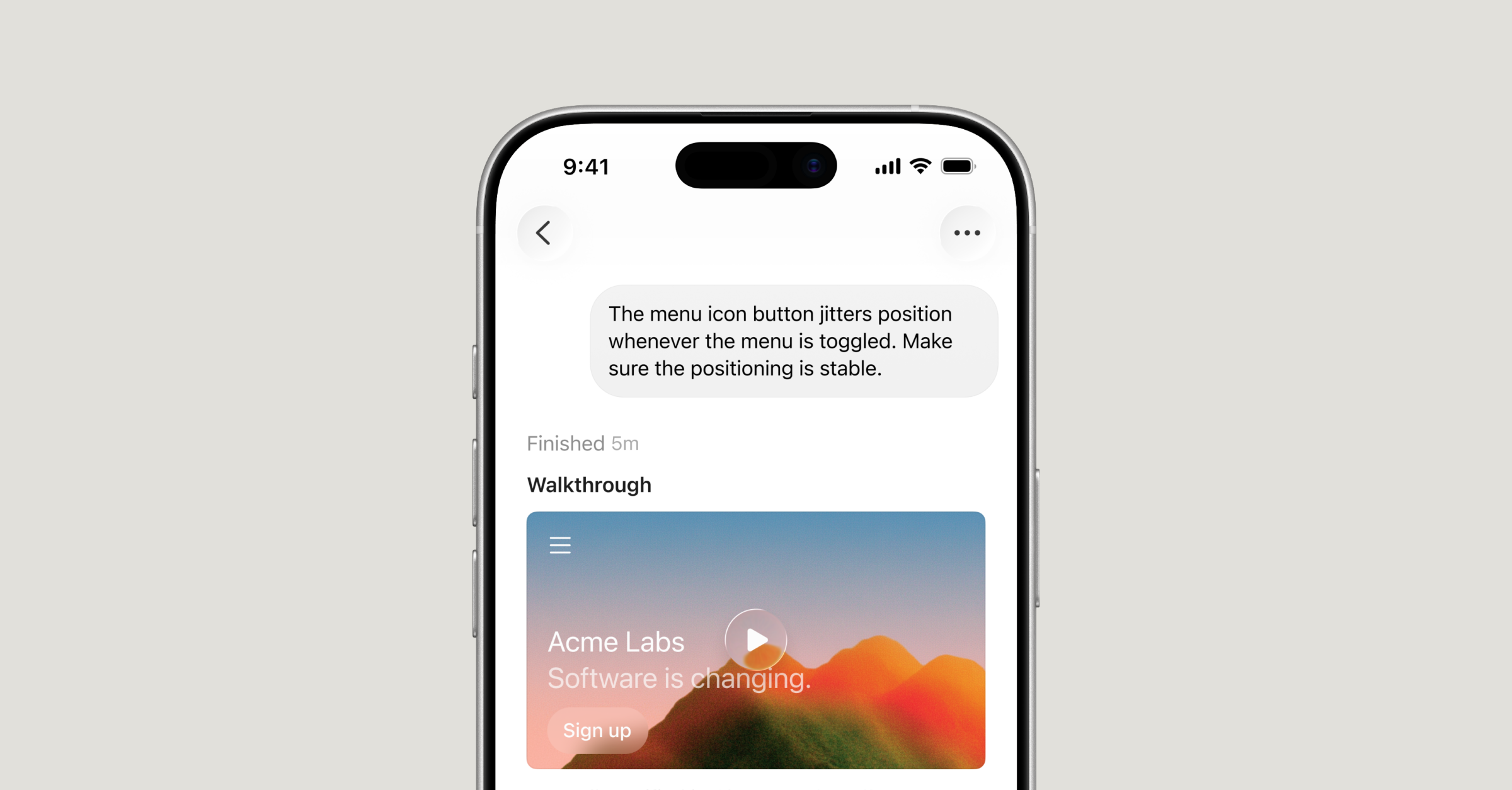
Cursor has released a native iOS app in public beta, allowing developers to interact with their codebase and AI-powered editing tools on the go. This marks a significant expansion of the AI-native IDE experience to mobile.

Cursor examines 'reward hacking' in coding benchmarks, revealing that many models retrieve existing fixes rather than deriving new ones. This highlight underscores the need for stricter evaluation harnesses to distinguish true coding ability from data leakage.

Cursor introduces Auto-review, a classifier agent that governs agent autonomy by allowing low-stakes actions to run freely while flagging high-stakes boundaries. This framework enables safer, more autonomous agentic workflows in coding environments.

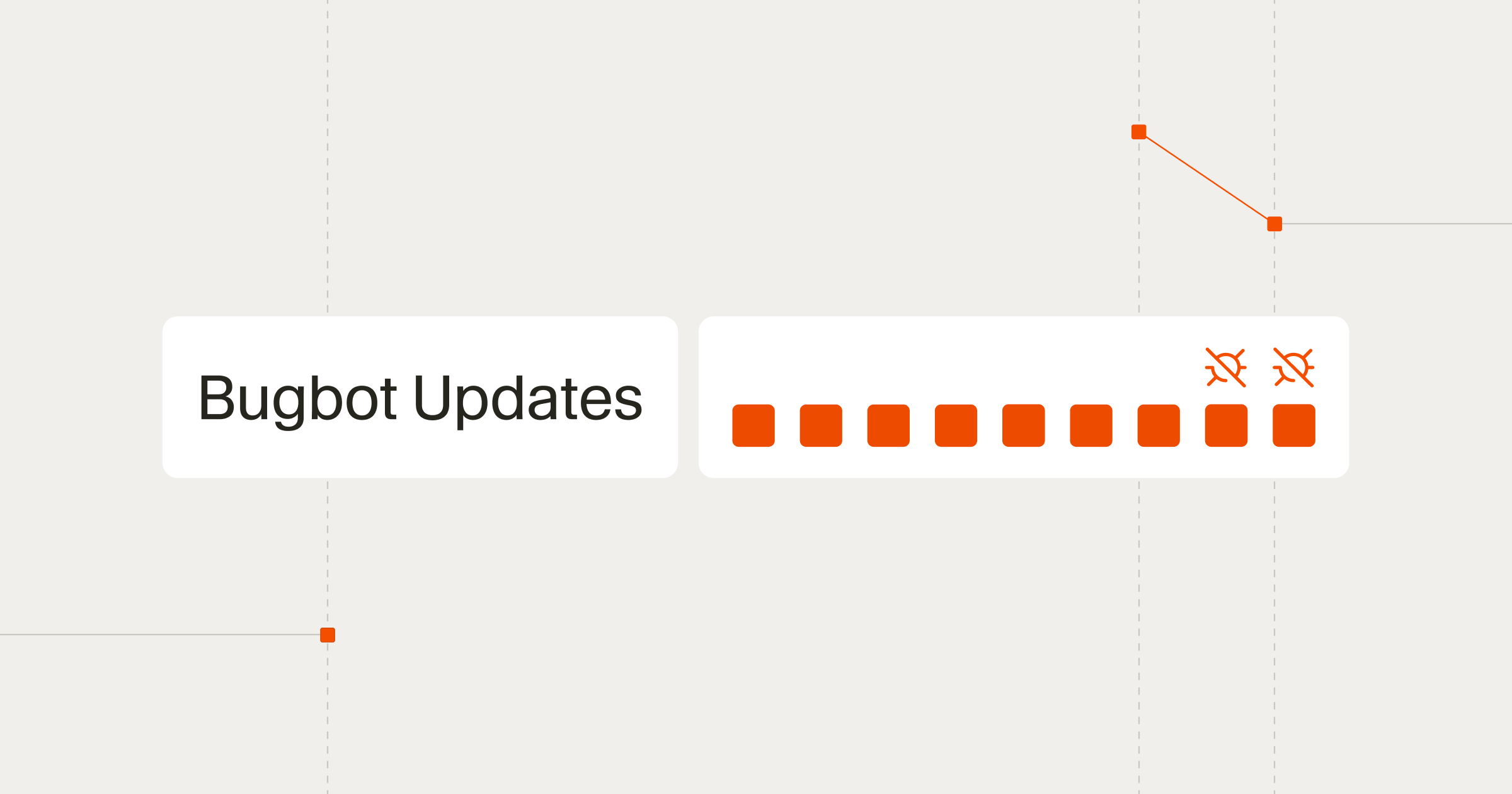
Cursor's Bugbot receives a major performance boost, becoming 3x faster and 22% cheaper while increasing bug detection by 10%. A new /review command has also been introduced for more thorough code reviews.

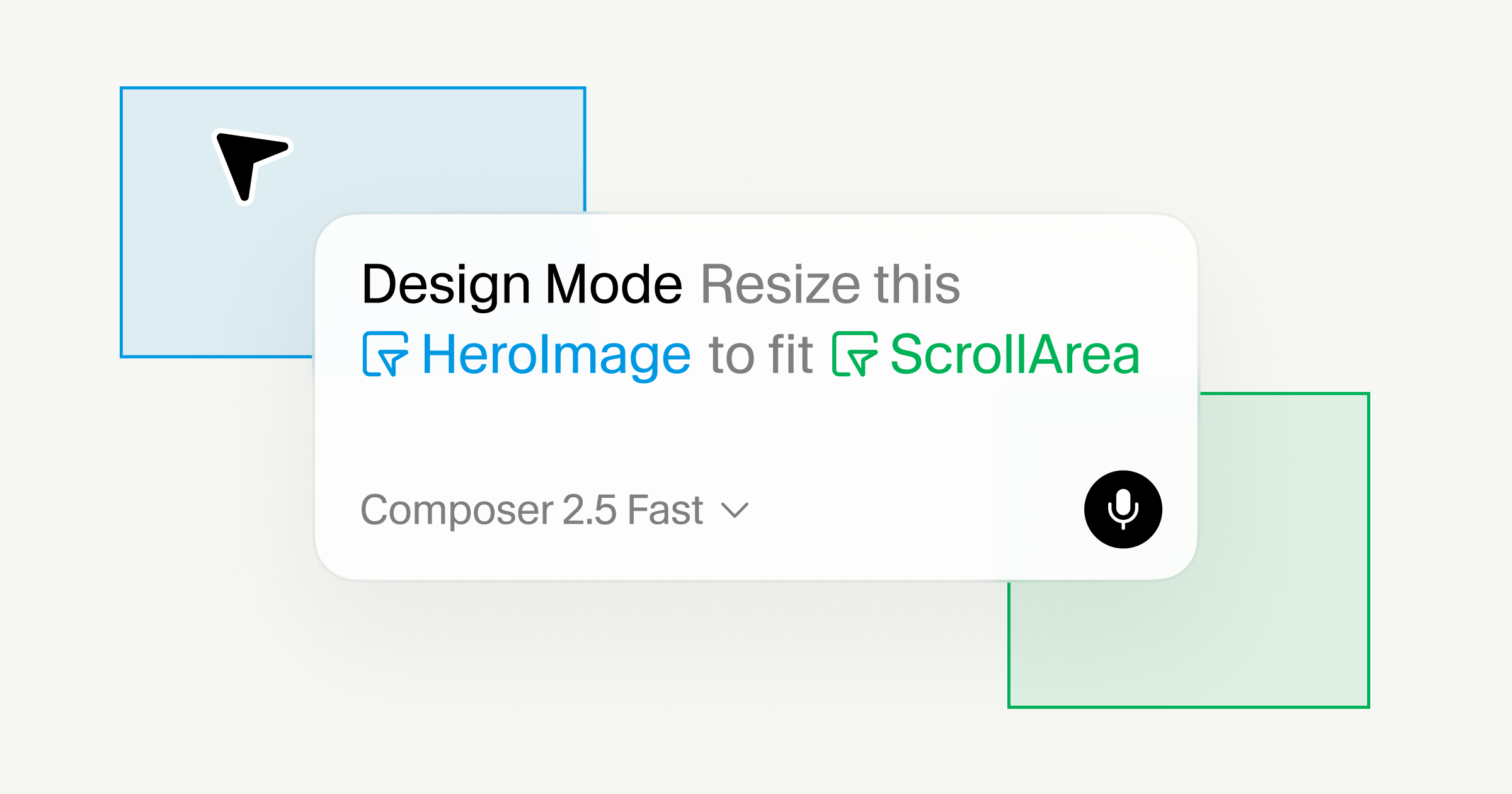
Cursor introduces Design Mode, allowing developers to point, draw, or narrate UI changes directly in the browser. AI agents then automatically update the underlying code to match the visual requests.

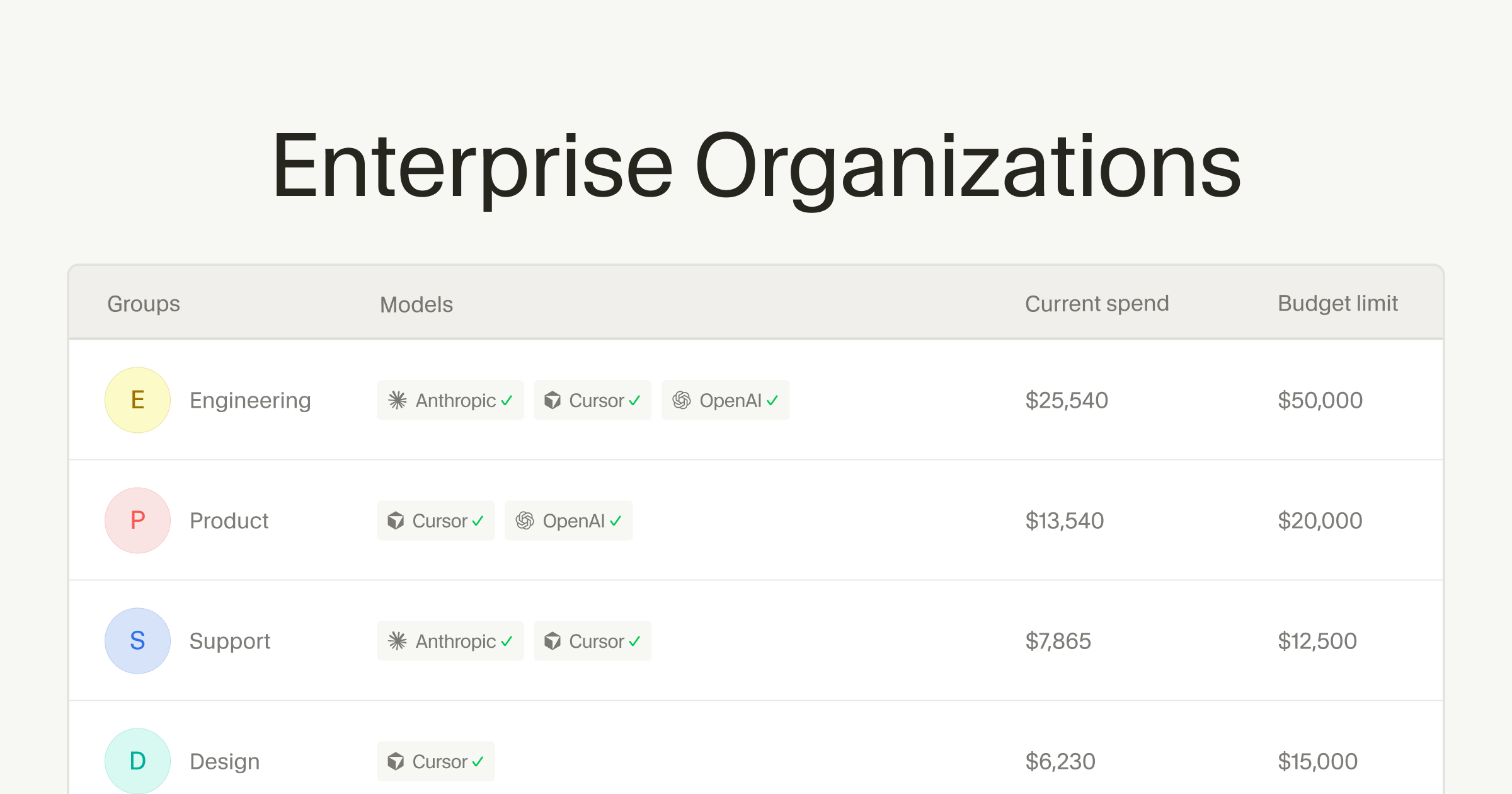
Cursor introduces Organizations, allowing enterprises to manage multiple teams with centralized control over budgets, security, and governance. This simplifies scaling AI-powered development across large companies.

Cursor shares key architectural insights from a year of deploying cloud agents. The findings highlight that environment quality, durable execution, and strict harness boundaries are the primary drivers of autonomous agent performance.

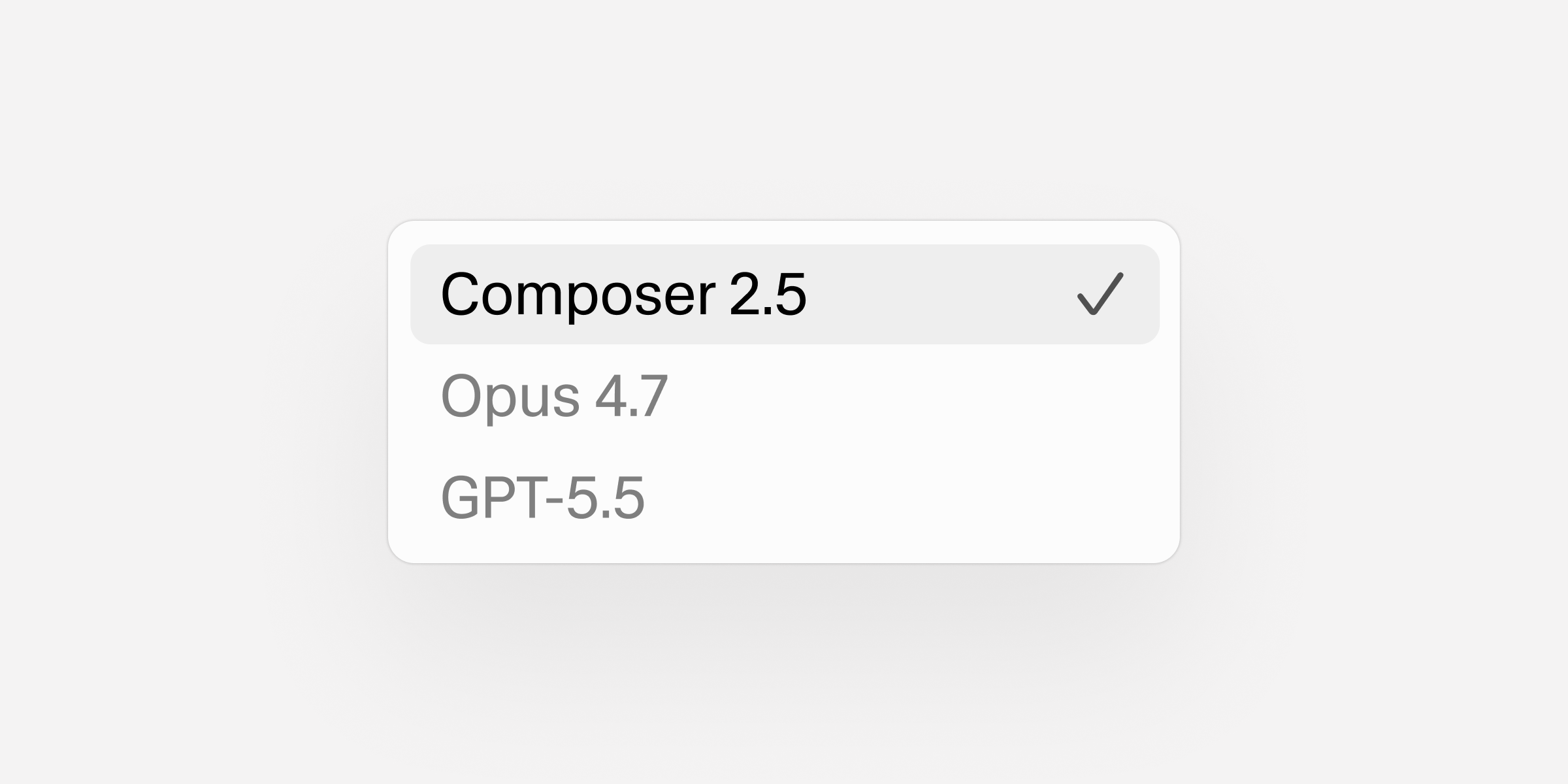
Cursor releases Composer 2.5, significantly improving intelligence and behavior for long-horizon agentic coding tasks. This update enhances the tool's ability to handle complex, multi-step development workflows autonomously.

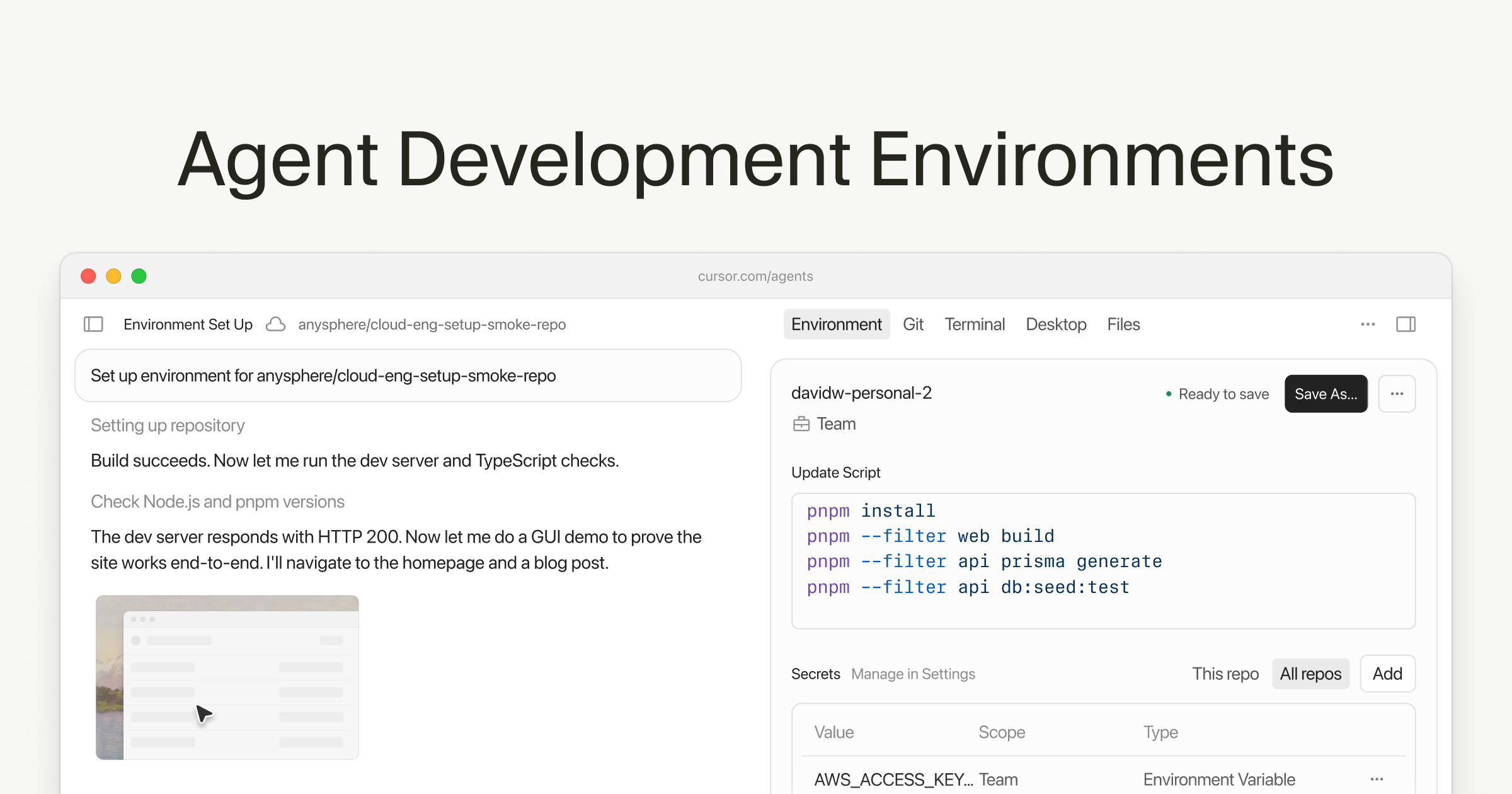
Cursor introduces new tools for configuring cloud agent development environments. The update adds multi-repo support and Dockerfile-based configuration for better environment governance.

Cursor's Bugbot is transitioning from seat-based subscriptions to usage-based billing for Individual and Teams plans. This change aims to align costs more closely with actual tool utilization.

Cursor's Composer autoinstall uses earlier model versions to automate the setup and verification of runnable RL environments. This bootstrapping process enables more efficient development of agentic coding tools.

Cursor explores the iterative process of improving agent harnesses through context optimization, rigorous evaluation, and model-specific tuning to make AI agents more reliable.

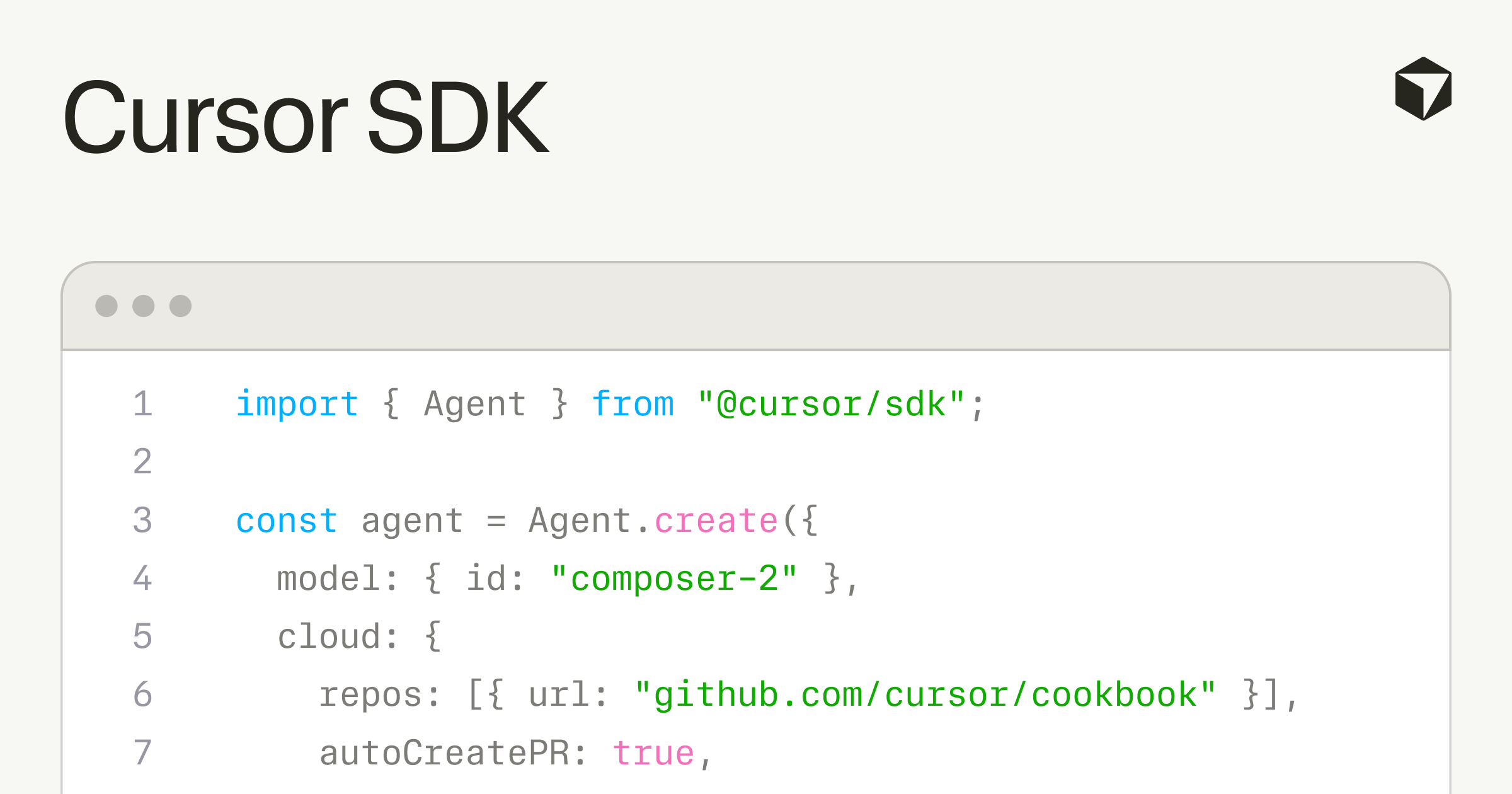
The new Cursor SDK enables developers to launch, steer, and compose custom agents, expanding the ability to build agentic workflows directly into the editor ecosystem.

Cursor is partnering with SpaceX to accelerate model training efforts, leveraging high-performance infrastructure to improve AI coding capabilities.

A deep dive into how Cursor manages app stability, debugging memory issues and implementing guardrails to prevent crashes and OOM errors in a growing application.

Analysis of AI adoption across 500 companies shows that as model capabilities improve, users shift toward higher-complexity, cross-system workflows.

Cursor introduces interactive canvases, allowing agents to create and present visual representations of information for better user interaction.