
Cursor BlogApr 21, 2026
Keeping
A deep dive into how Cursor manages app stability, debugging memory issues and implementing guardrails to prevent crashes and OOM errors in a growing application.
cursorapp-stabilitydebuggingperformance
Read original MCP App Store
The latest from the AI and MCP ecosystem, curated daily.
Sources
A deep dive into how Cursor manages app stability, debugging memory issues and implementing guardrails to prevent crashes and OOM errors in a growing application.

Analysis of AI adoption across 500 companies shows that as model capabilities improve, users shift toward higher-complexity, cross-system workflows.
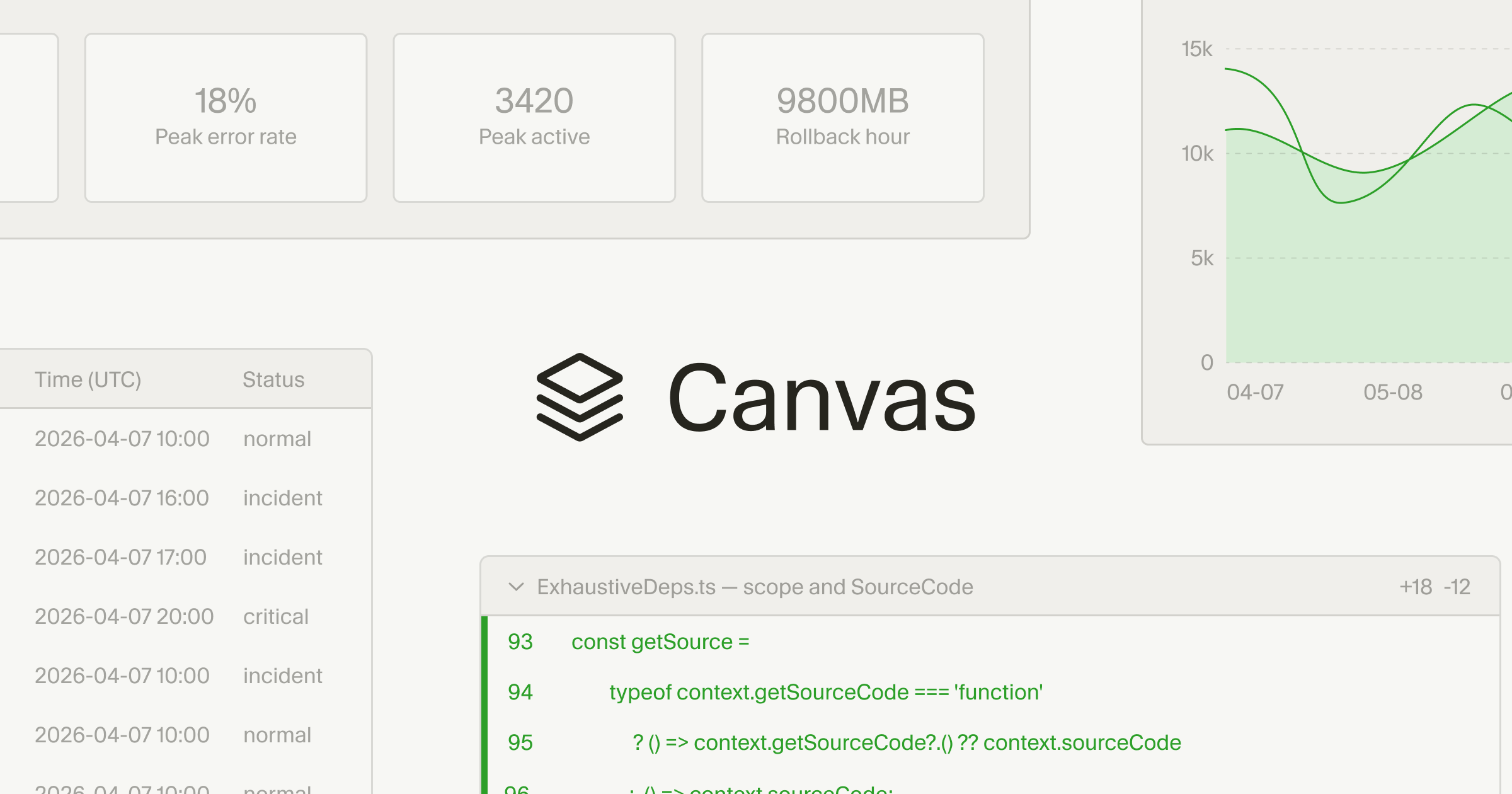
Cursor introduces interactive canvases, allowing agents to create and present visual representations of information for better user interaction.

A University of Chicago study shows a 44% increase in AI usage as model capabilities improve, specifically driving growth in complex, cross-system work. It highlights how frontier models are shifting the boundary of what's possible in professional workflows.
Cursor demonstrated a multi-agent system that autonomously optimized 235 CUDA kernels for NVIDIA Blackwell 200 GPUs. The approach achieved a 38% geomean speedup over baselines in just three weeks, showcasing the power of agentic optimization for low-level performance.
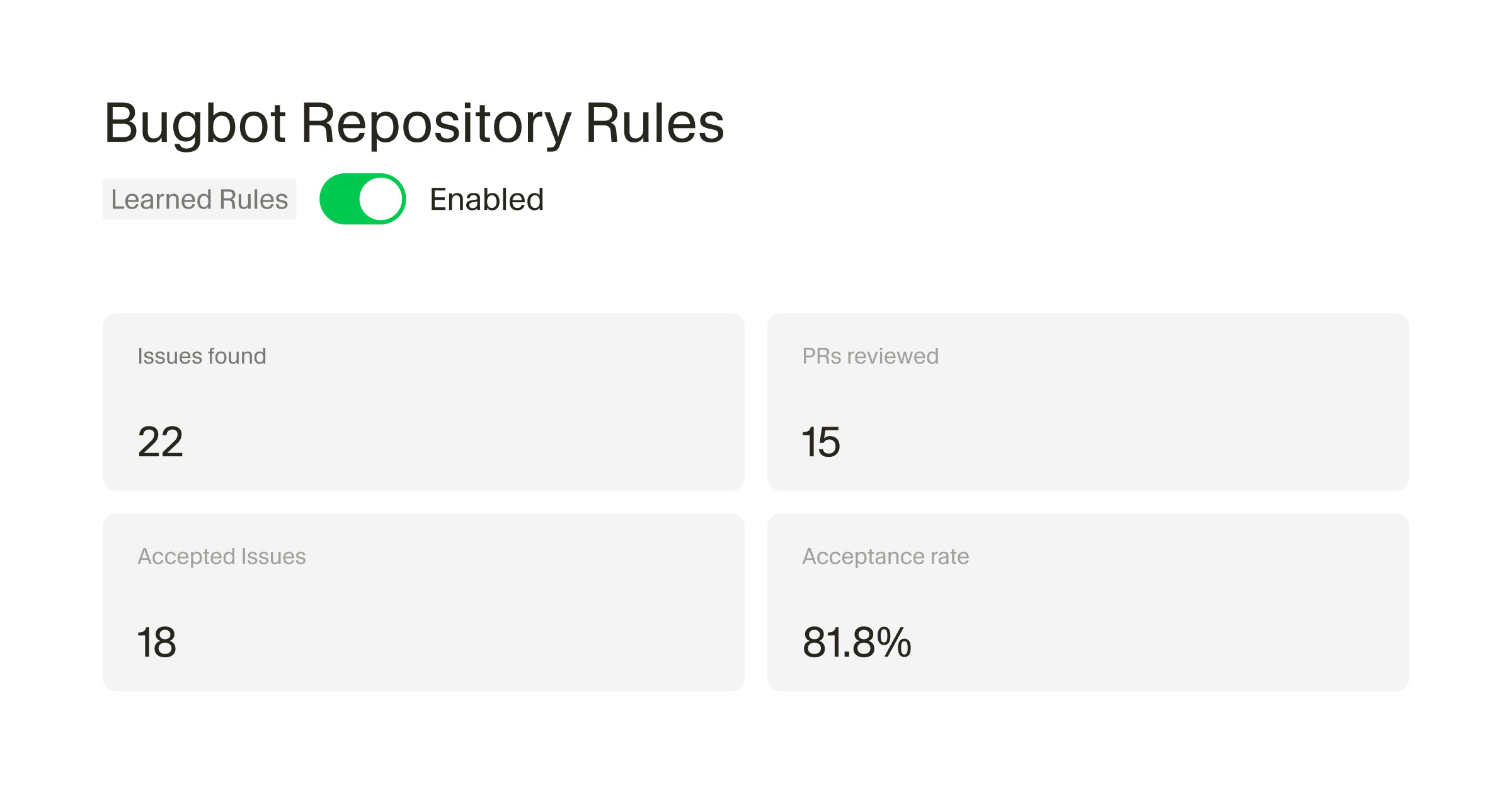
Cursor's Bugbot can now learn from live PR feedback, turning code review signals into persistent rules that improve future suggestions. This makes automated code-review tooling progressively more accurate and context-aware for developer workflows.

Cursor presents `warp decode`, a technique that flips the parallelism axis to speed up and improve MoE model inference by ~1.8×. The approach reduces bottlenecks in routing and offers a practical path to faster inference for large MoE deployments. Developers running MoE architectures should evaluate warp decode for latency-sensitive inference workloads.
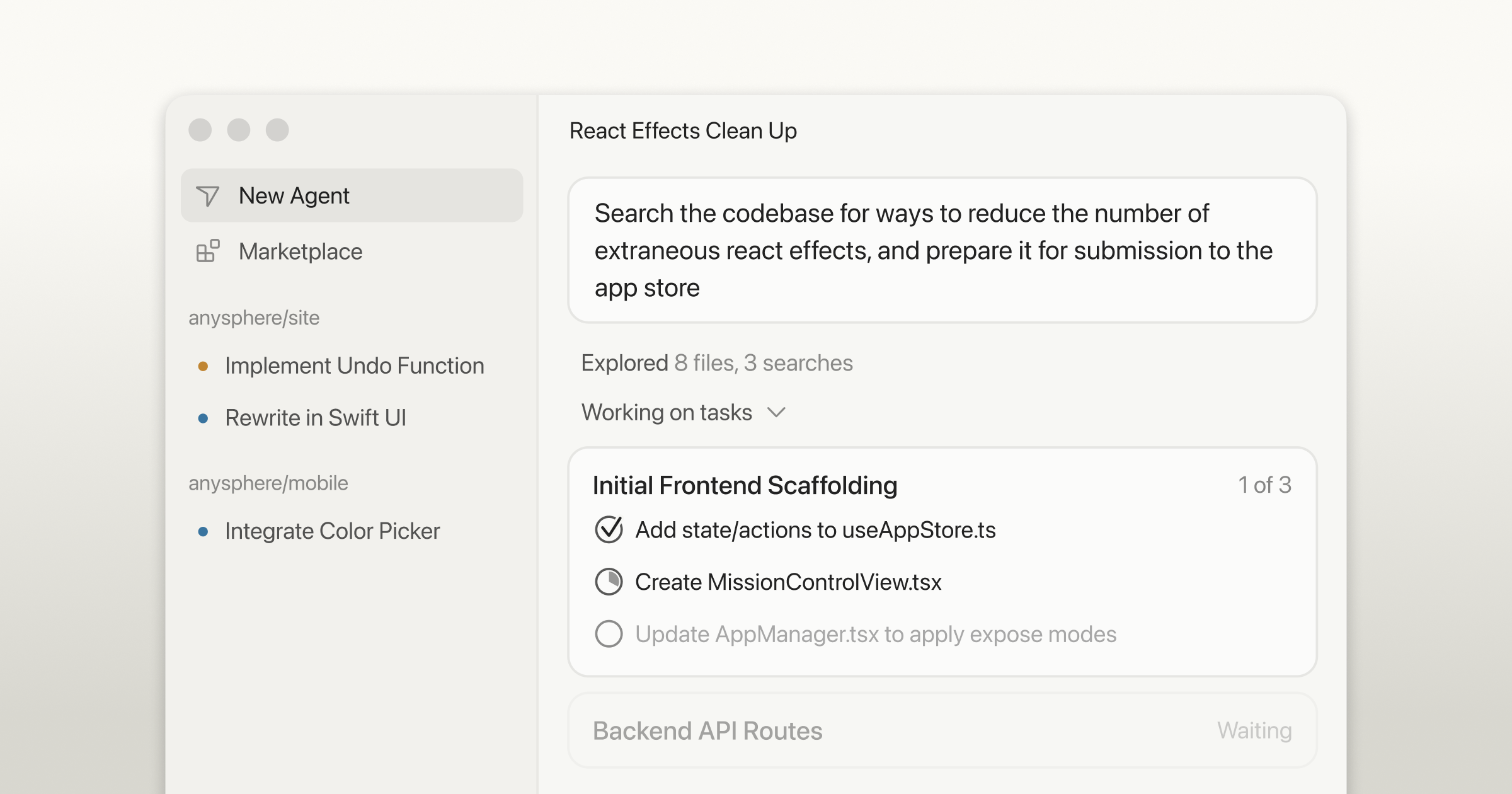
Cursor launched Cursor 3 — a unified workspace for building software with agents, bringing together the editor, cloud agents, and background automations into a single coherent product. The release represents a significant architectural shift from IDE-with-AI-features toward an agent-first development environment. The biggest Cursor product update to date.

Cursor published an arXiv technical report on training Composer 2 — covering continued pretraining on Kimi K2.5, large-scale RL in realistic Cursor sessions, and CursorBench results alongside public benchmarks. The report gives the research community a detailed look at how a production AI coding model is actually trained and evaluated.

Cursor applies online reinforcement learning to Composer — serving new model checkpoints to production and using real user interactions as reward signals to ship improved checkpoints multiple times per day. A practical account of how they close the loop between production usage and model training at high cadence. Fascinating engineering for anyone building RL-trained coding models.
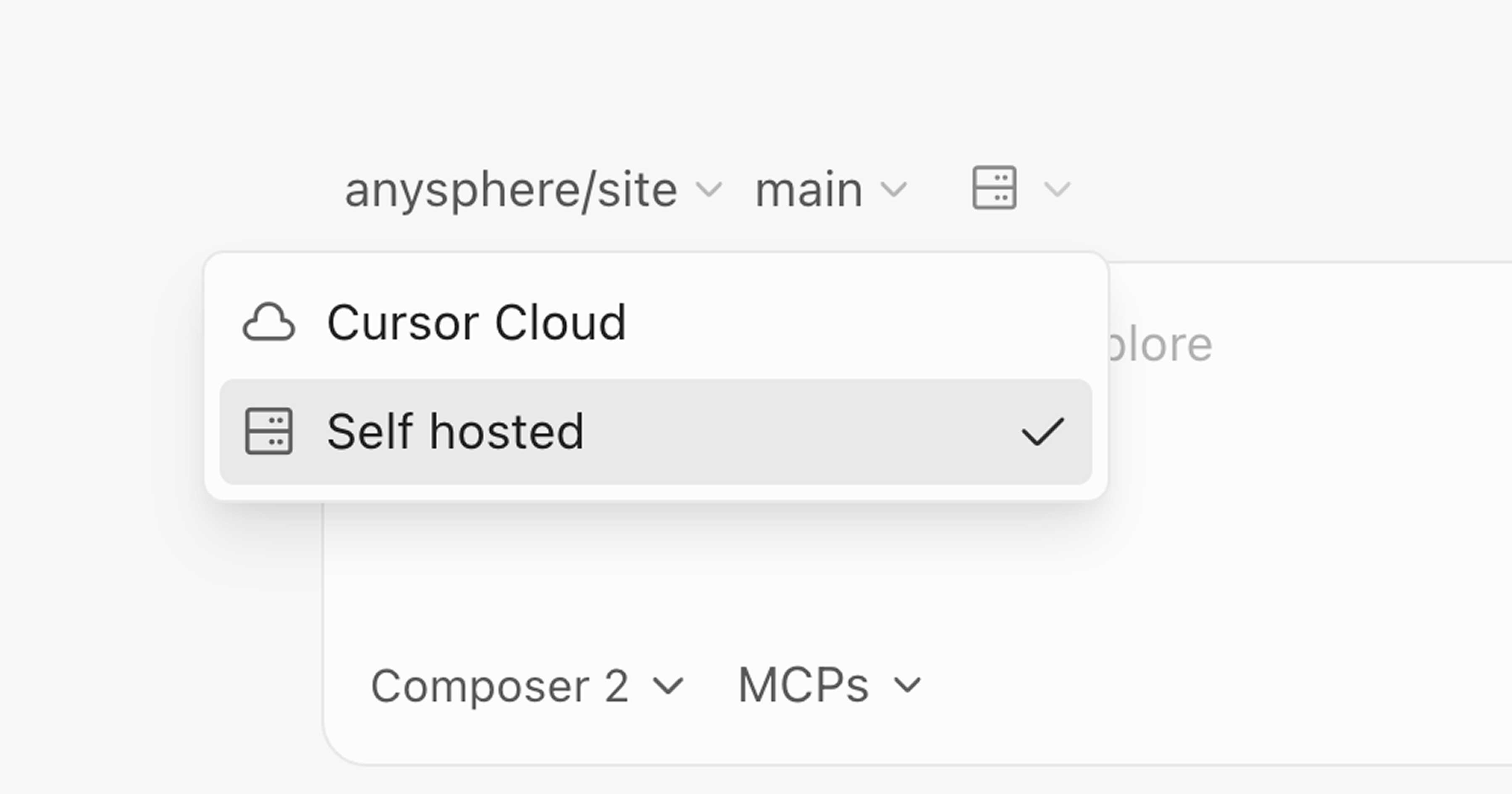
Cursor launched self-hosted cloud agents — letting enterprises run Cursor's agent execution entirely within their own network, keeping code and tool outputs off Cursor's infrastructure. Addresses the primary enterprise blocker of data residency and network isolation for agentic coding. A significant move for Cursor's enterprise push.

A deep engineering post on how Cursor built fast regex search indexes so agents can find text across large monorepos in milliseconds rather than 15+ seconds with ripgrep. Covers the index design, query execution, and the tradeoffs specific to agent tool use patterns. Excellent reference for anyone building search tooling for coding agents.

Cursor released Composer 2 — their frontier-level coding model with strong CursorBench results, higher token efficiency, and a faster default variant. Trained specifically for agentic coding tasks in realistic Cursor sessions, it outperforms general models on the tasks developers actually do. A significant internal model milestone for Cursor.
Cursor researchers tackle the challenge of training Composer on long coding trajectories that exceed the model's context window — using self-summarization as part of the training loop to extract signal from sessions much longer than max context. A novel training technique with broad implications for training any long-horizon agentic model.

Cursor's security team built a fleet of autonomous agents to find and fix vulnerabilities across their fast-moving codebase — and open-sourced the result. The post covers how they designed the agent fleet, what vulnerability classes they targeted, and the lessons learned from running security agents in production on a real codebase. Practical reference for teams considering AI-driven security automation.
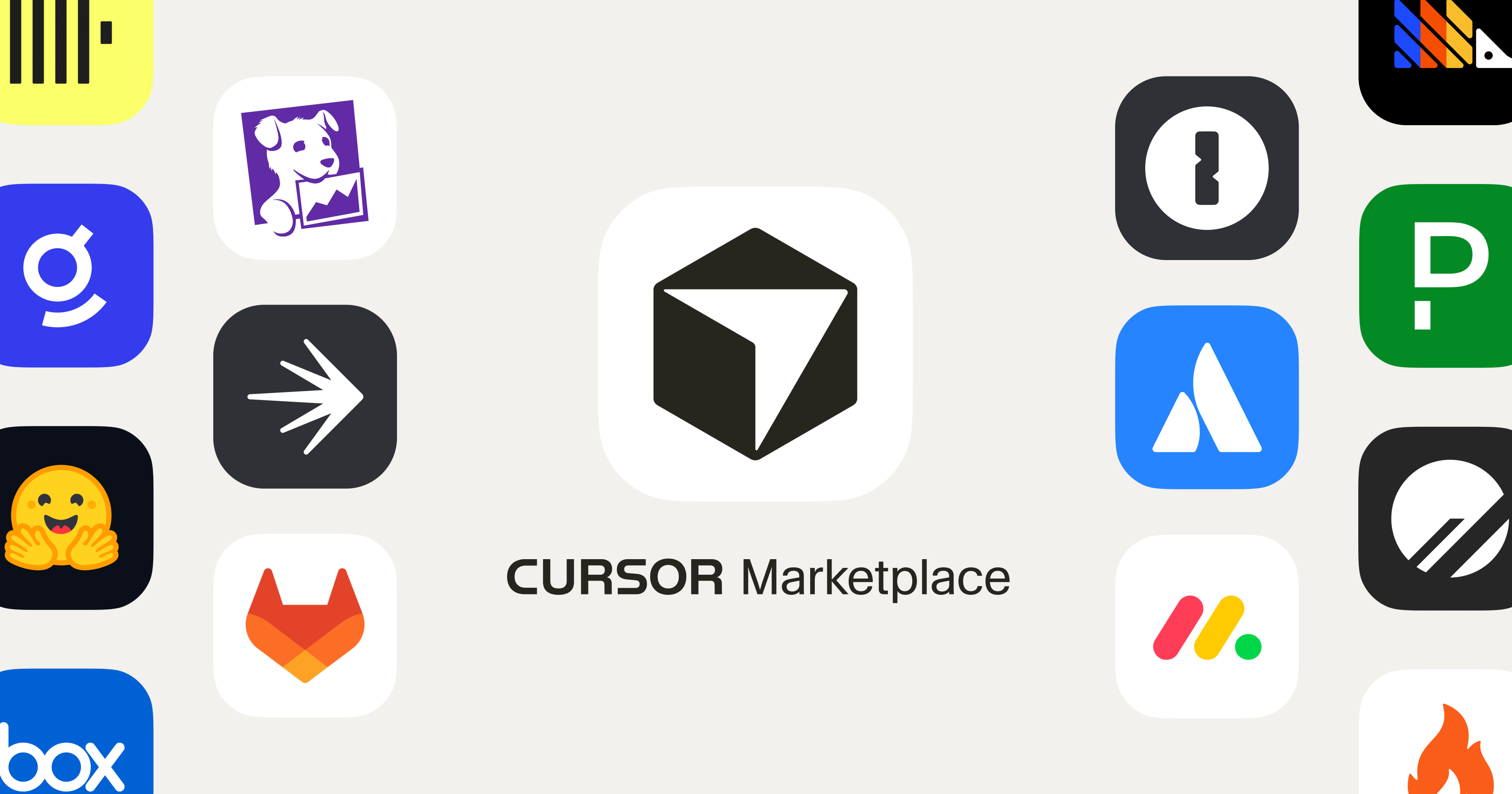
Cursor's plugin marketplace expanded with 30+ new integrations, letting developers extend Cursor agents with prebuilt capabilities across design tools, databases, CI/CD systems, and external services. The marketplace model means agents can now be composed with third-party tools without custom MCP server setup for common integrations.
Cursor explains their hybrid online-offline evaluation process — CursorBench — which keeps model quality assessments aligned with what developers actually do in production, not just synthetic benchmarks. The post details why standard coding benchmarks don't capture real agentic coding quality and how they built a more reliable eval pipeline. Useful for any team thinking seriously about model evaluation for coding tasks.

Cursor launched Automations — a system for defining trigger-based agents that run automatically without a developer initiating them. Developers can set up agents to respond to events like PRs, test failures, or deploys with custom instructions. Moves Cursor firmly into the background agent space alongside GitHub Actions and CI-native AI tools.
Cursor agents are now available in IntelliJ IDEA, PyCharm, WebStorm, and other JetBrains IDEs via the Agent Client Protocol (ACP). Developers who prefer JetBrains tools can now access Cursor's agent capabilities without switching editors. Significant for the large JetBrains user base in enterprise Java and Python shops.

Cursor CEO Michael Truell outlines a third era of AI software development — moving beyond copilot-style assistance toward autonomous cloud agents that handle large tasks over long timescales. The post argues that the shift from interactive to autonomous agents is as significant as the shift from no AI to AI assistance. Foundational reading for understanding where AI coding tools are headed.