
Direct
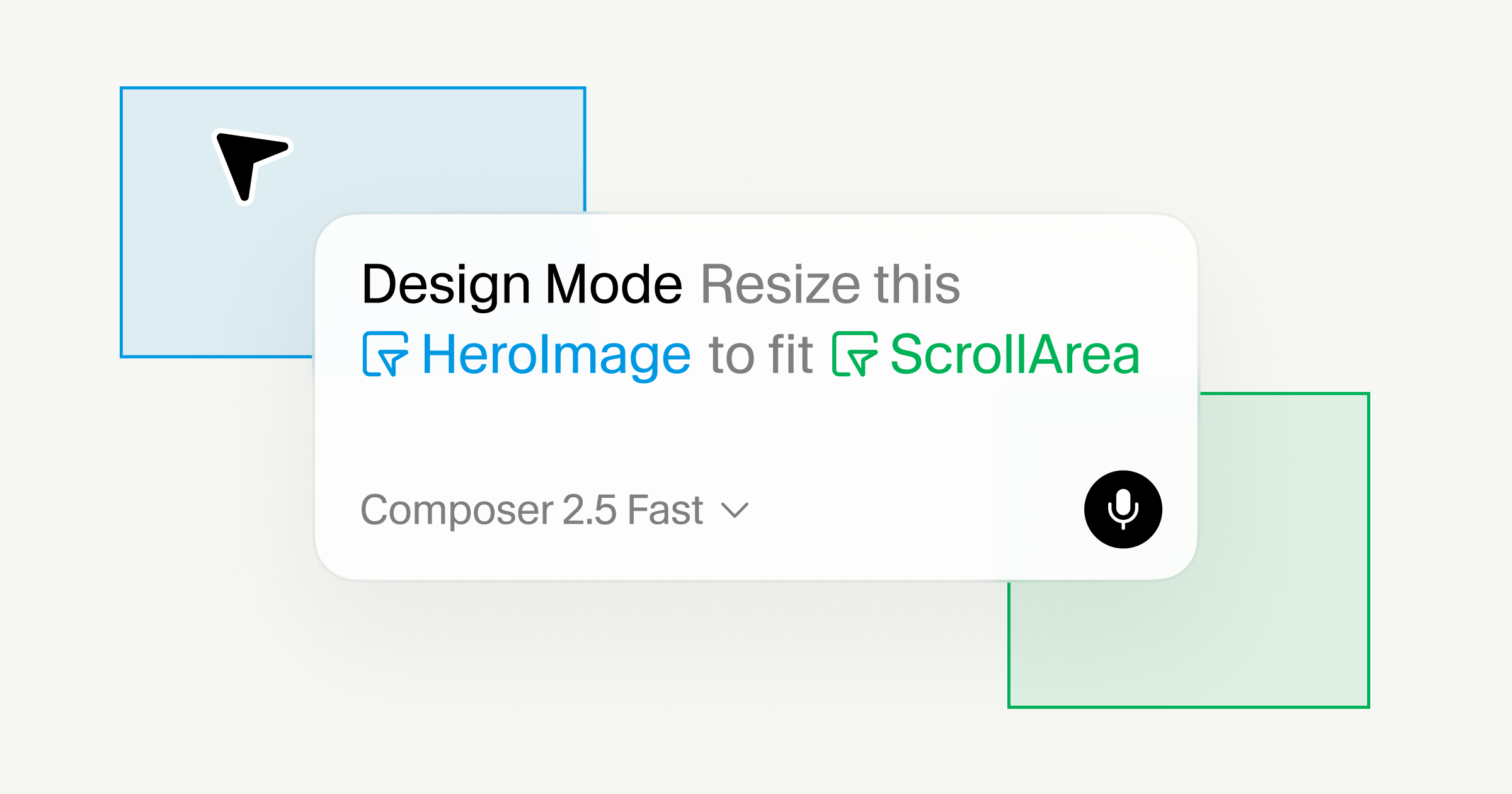
Cursor introduces Design Mode, allowing developers to point, draw, or narrate UI changes directly in the browser. AI agents then automatically update the underlying code to match the visual requests.
The latest from the AI and MCP ecosystem, curated daily.
Sources

Cursor introduces Design Mode, allowing developers to point, draw, or narrate UI changes directly in the browser. AI agents then automatically update the underlying code to match the visual requests.

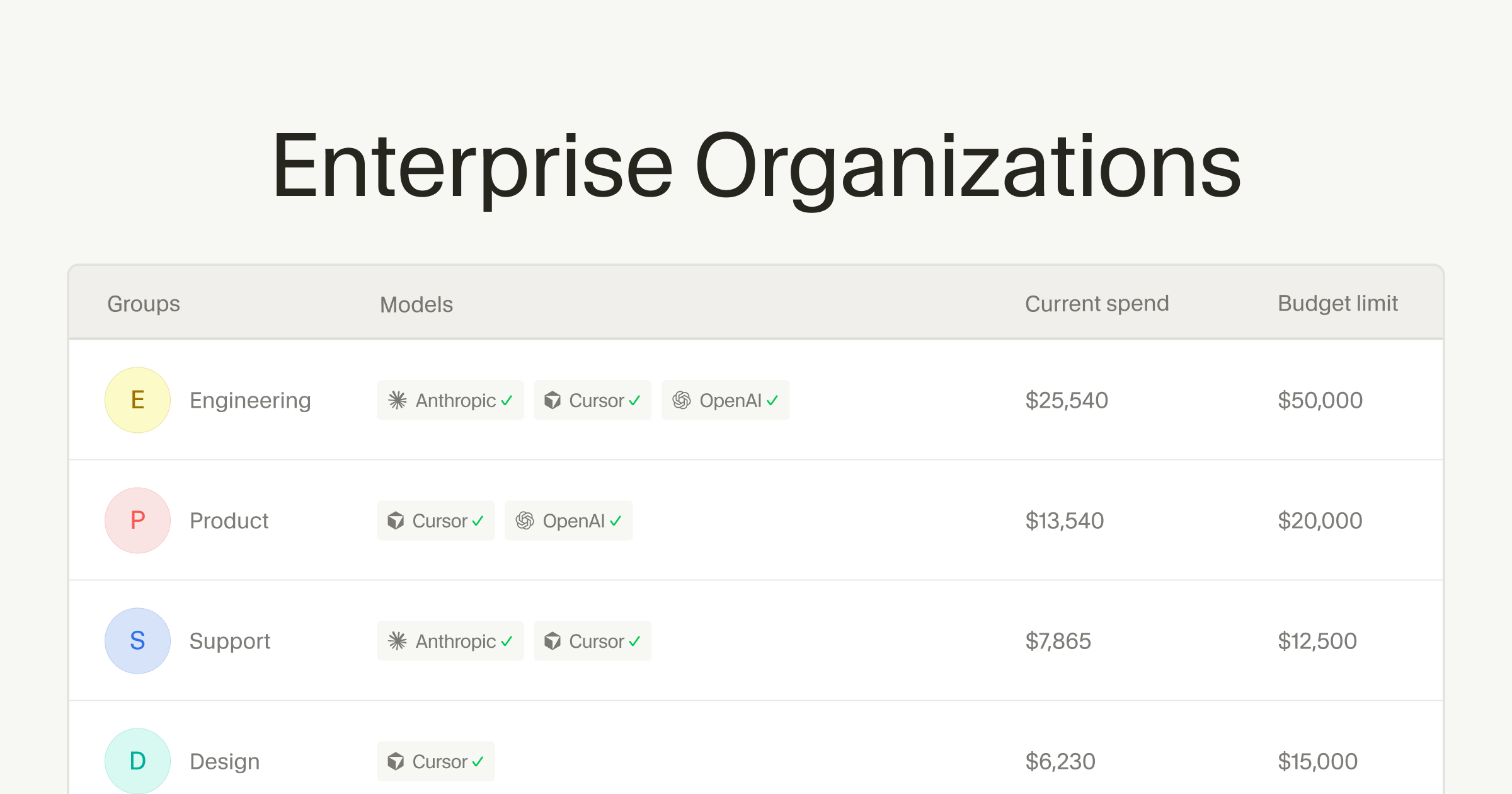
Cursor introduces Organizations, allowing enterprises to manage multiple teams with centralized control over budgets, security, and governance. This simplifies scaling AI-powered development across large companies.

Cursor shares key architectural insights from a year of deploying cloud agents. The findings highlight that environment quality, durable execution, and strict harness boundaries are the primary drivers of autonomous agent performance.

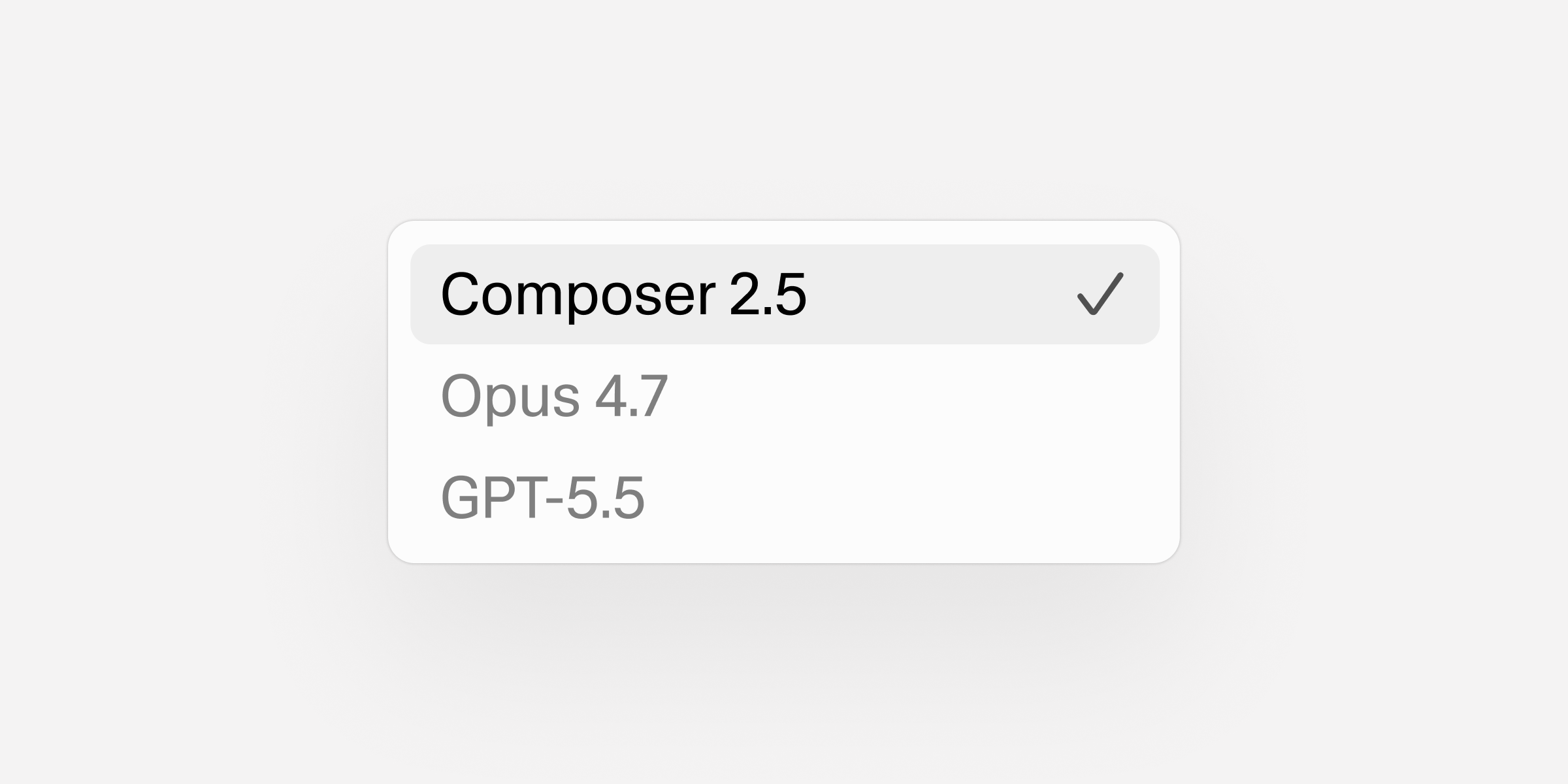
Cursor releases Composer 2.5, significantly improving intelligence and behavior for long-horizon agentic coding tasks. This update enhances the tool's ability to handle complex, multi-step development workflows autonomously.

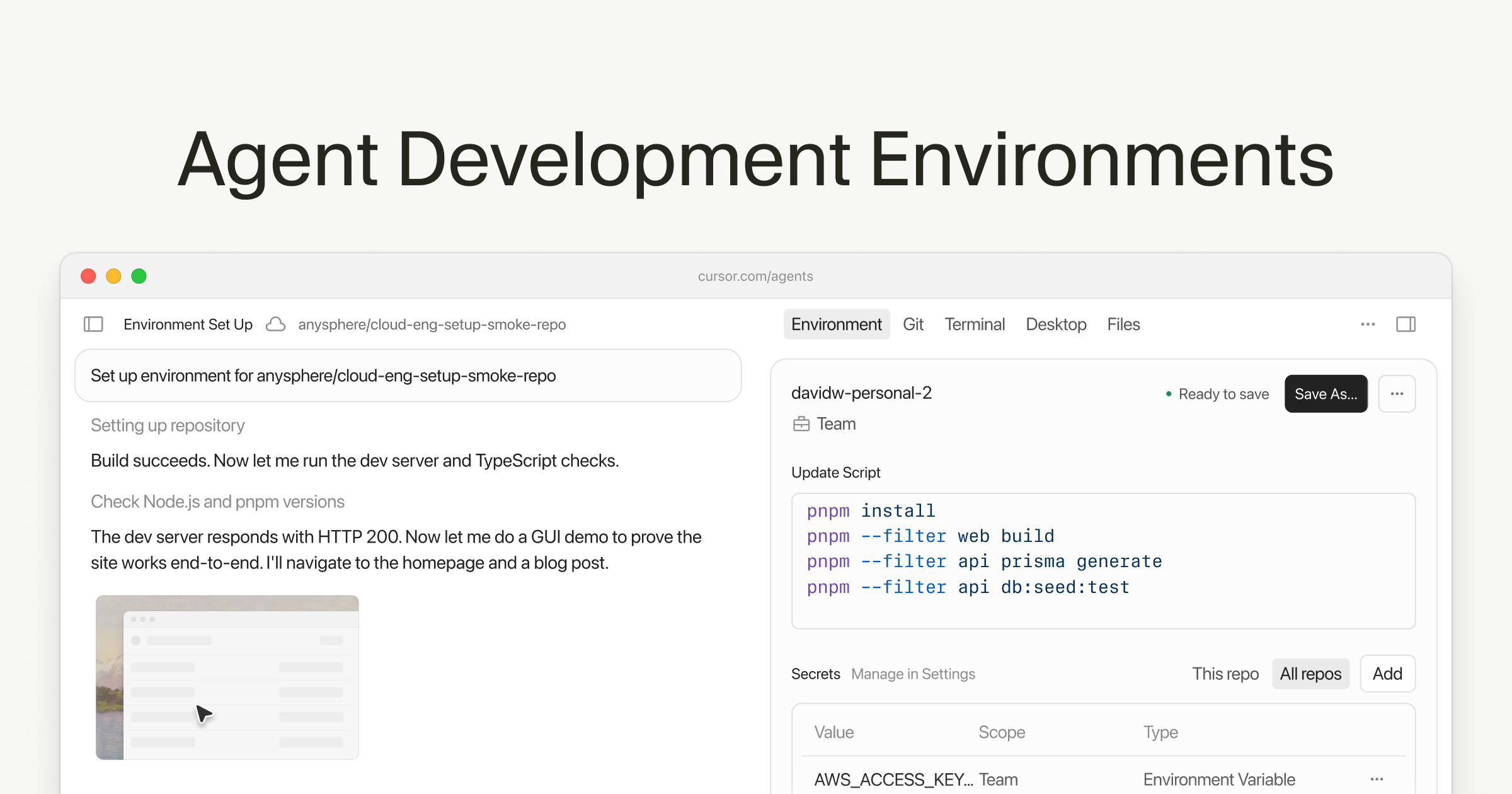
Cursor introduces new tools for configuring cloud agent development environments. The update adds multi-repo support and Dockerfile-based configuration for better environment governance.

Cursor's Bugbot is transitioning from seat-based subscriptions to usage-based billing for Individual and Teams plans. This change aims to align costs more closely with actual tool utilization.

Cursor's Composer autoinstall uses earlier model versions to automate the setup and verification of runnable RL environments. This bootstrapping process enables more efficient development of agentic coding tools.

Cursor explores the iterative process of improving agent harnesses through context optimization, rigorous evaluation, and model-specific tuning to make AI agents more reliable.

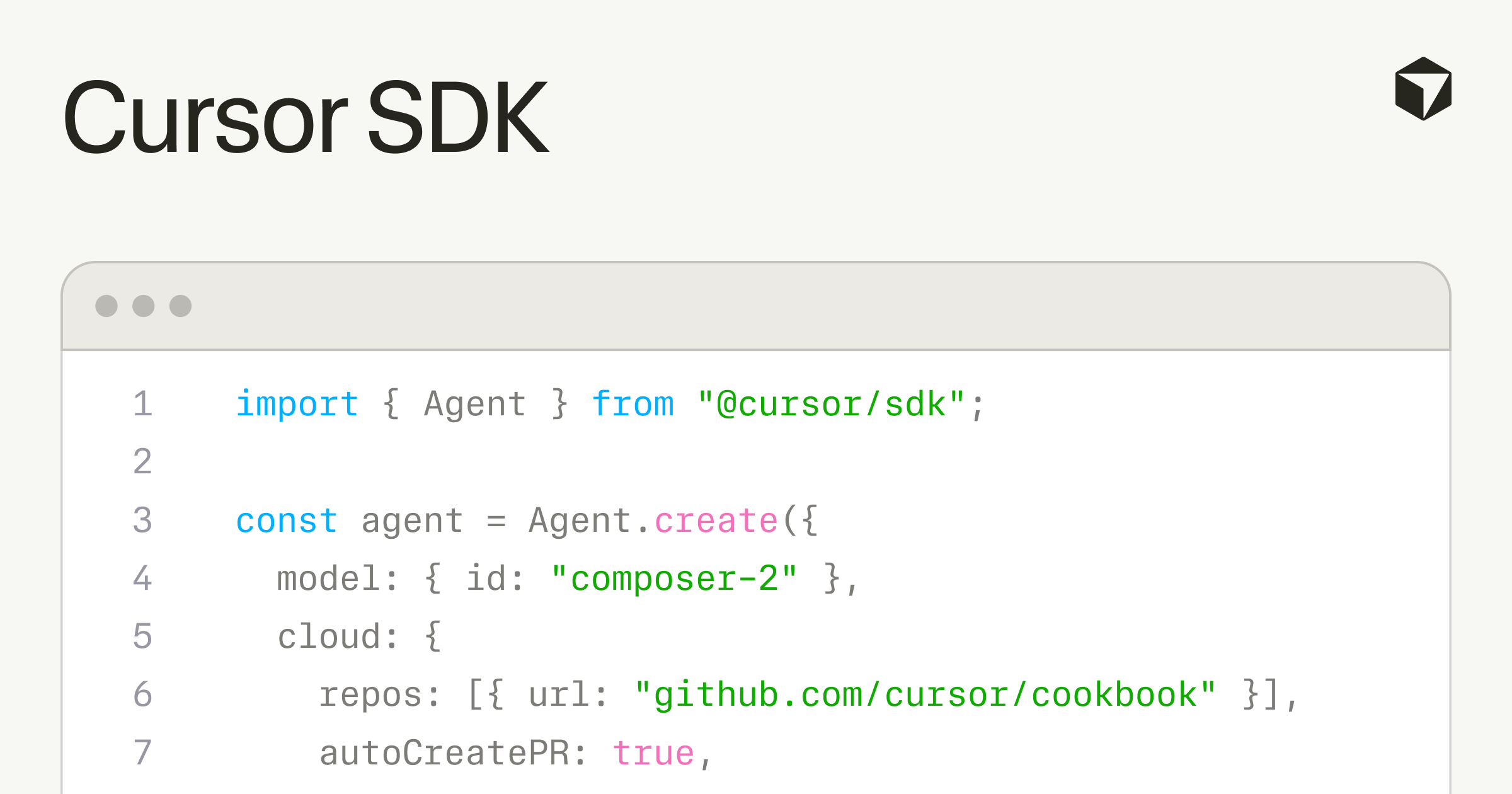
The new Cursor SDK enables developers to launch, steer, and compose custom agents, expanding the ability to build agentic workflows directly into the editor ecosystem.

A deep dive into how Cursor manages app stability, debugging memory issues and implementing guardrails to prevent crashes and OOM errors in a growing application.

Cursor is partnering with SpaceX to accelerate model training efforts, leveraging high-performance infrastructure to improve AI coding capabilities.

Analysis of AI adoption across 500 companies shows that as model capabilities improve, users shift toward higher-complexity, cross-system workflows.

A University of Chicago study shows a 44% increase in AI usage as model capabilities improve, specifically driving growth in complex, cross-system work. It highlights how frontier models are shifting the boundary of what's possible in professional workflows.

Cursor introduces interactive canvases, allowing agents to create and present visual representations of information for better user interaction.

Cursor demonstrated a multi-agent system that autonomously optimized 235 CUDA kernels for NVIDIA Blackwell 200 GPUs. The approach achieved a 38% geomean speedup over baselines in just three weeks, showcasing the power of agentic optimization for low-level performance.

Cursor's Bugbot can now learn from live PR feedback, turning code review signals into persistent rules that improve future suggestions. This makes automated code-review tooling progressively more accurate and context-aware for developer workflows.

Cursor presents `warp decode`, a technique that flips the parallelism axis to speed up and improve MoE model inference by ~1.8×. The approach reduces bottlenecks in routing and offers a practical path to faster inference for large MoE deployments. Developers running MoE architectures should evaluate warp decode for latency-sensitive inference workloads.

Cursor launched Cursor 3 — a unified workspace for building software with agents, bringing together the editor, cloud agents, and background automations into a single coherent product. The release represents a significant architectural shift from IDE-with-AI-features toward an agent-first development environment. The biggest Cursor product update to date.

Cursor published an arXiv technical report on training Composer 2 — covering continued pretraining on Kimi K2.5, large-scale RL in realistic Cursor sessions, and CursorBench results alongside public benchmarks. The report gives the research community a detailed look at how a production AI coding model is actually trained and evaluated.

Cursor applies online reinforcement learning to Composer — serving new model checkpoints to production and using real user interactions as reward signals to ship improved checkpoints multiple times per day. A practical account of how they close the loop between production usage and model training at high cadence. Fascinating engineering for anyone building RL-trained coding models.